
Aircela Pulls Fuel Out of Thin Air, Norton Preps Four Projects for 2026

Aircela Pulls Fuel Out of Thin Air, Norton Preps Four Projects for 2026

This week, we’ve got some really exciting bits of news from all corners of our industry:

Ural’s punting out a “Ural Neo 500,” estimated to be their most affordable sidecar yet – and it’s coming to America!
Kawasaki’s facing a recall affecting the crankcase bolts on over 17,000 motorcycles, with an estimated 1% affected.
Norton is giving heavy-hitter vibes with six projects lined up for future debuts – four of which are slotted for 2026.
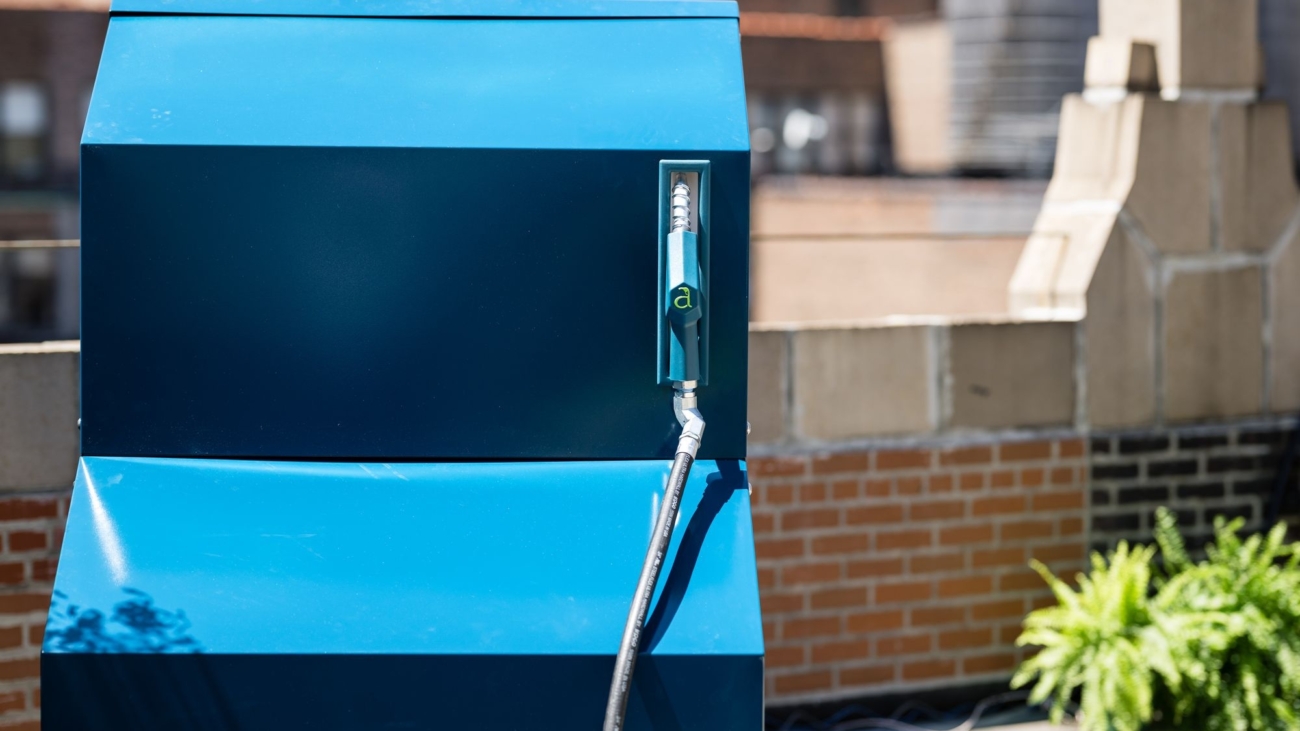
Aircela, a New York-based startup company, is working toward the production of a fuel generator that can make chemically identical synthetic fuel out of our air.

Let’s start with Ural’s new number, as we haven’t chatted about Ural in a while!

Ural’s New Sidecar is Coming to America!

A view of a Ural sidecar. Media sourced from Ural.

Neo 500 to be Ural’s Most Affordable Sidecar Yet

The last time that we covered Ural, the brand was moving from Russia to Kazakhstan due to the Russo-Ukraine war. Ural’s residual evolution has since carried a refreshing of their beloved, horizontally-opposed, 745cc air-cooled flat-twin heart (new camshaft, roller tappet and rocker arm mechanism with better alloying, casting, and tighter component tolerances) – and now, we can enjoy the brand’s continued up-and-ups here across the pond!

According to CycleWorld, America is getting a more budget-friendly sidecar.  Named the Neo 500, this sidecar continues to boast the brand’s storied history, which dates back as far as WW2.

We’re told that Ural’s Neo 500 celebrated a lovely debut on US soil in Ural’s Washington headquarters – a fitting thing, considering Ural has been US-based since 2002, with America currently being the company’s largest market.

But back to the Neo 500.

While production of Ural’s boxer-twin bikes is currently underway in Kazakhstan, this new Neo 500 will be manufactured in China by Yingang – an efficient choice for when companies don’t have enough internal manufacturing facilities to build an all-new, cost-effective product.

The Neo 500 doesn’t yet seem to be at the production-prototype stage, as CycleWorld tells us that the Ural 500 coming to America has yet to lock in on official specs (height, weight, componentry, etc). Since we’re getting a bike and and sidecar with Ural’s offerings, we know that the Neo500 will be less than Ural’s next model in line, currently going for $19,999 USD. Ben Purvis also estimates that the unit will be similar to the SUV500 II it’s based on, which carries a Zongshen-designed 446cc parallel-twin engine.

Power (of the bike, not the sidecar) is anticipated to be around 35hp, with a substantial 5.3-gallon fuel tank driving a purpose-built chassis with a leading-link front suspension system and further specs reminiscent of Ural’s existing 750cc boxer-twins.

The core aim for the Ural Neo 500 is rider-friendliness, as Ural is well aware that many of their future customers will be new to the sidecar world as a whole. Better still, we’re told that Ural’s aiming for this sidecar to enter US markets under $15,000 USD, which will be realized sometime mid-2026.

To get all the details on Ural Neo’s new affordable sidecar, be sure to check out the full article on CycleWorld:

Ural Neo 500 Coming To US

Total Recall: 17,792 Ninja ZX-6R Motorcycles Affected

A view of a Kawasaki ZX-6R. Media sourced from Kawasaki.

“Certain Vehicles May Lose Engine Power During Operation”

We try to post things that are more exciting than recalls around here – but every once and a while, a recall comes by that’s impossible to ignore.

If you are in possession of a MY2024- 2025 ZX636J/K (Ninja ZX-6R) Kawasaki revver, pay attention: Your bike could very well be on a new list – along with 17,791 others – labelled “DO NOT DRIVE.”

According to the NHTSA’s recent recall notice (posted here for y’all to have a gander), the affected vehicles also include the MY24 NINJA ZX-6R 40th Anniversary Edition ABS, MY24-25 Ninja ZX-6R ABS/KRT Edition ABS, and the Ninja ZX-6R/KRT Edition. The recall population covers all units produced from April 2023 through April 28, 2025, totalling 17,792 units.

Apparently, the problem is a bunch of over-torqued crankcase bolts:

“Certain vehicles may lose engine power during operation due to a seizure of the No. 5 metal crankshaft bushing [leading to certain vehicles]… losing engine power and increasing the chance of a crash”

– National Highway Traffic Safety Administration (NHTSA)

For this type of issue, we’re told that riders won’t receive any warning before this potentially severe issue arises, leading to the urgency of the recall (despite only an estimated 1% of the affected motorcycles being projected to manifest the problem).

We DO know that the letter from NHTSA has already made its way to Kawasaki HQ, though as of June 11, 2025, there is no known remedy for this issue, nor has Kawasaki yet provided a schedule for recall notifications to owners.

Bottom line, MY2024-2025 ZX636J/K (Ninja ZX-6R) Kawasaki riders are recommended not to ride until a proper repair has been completed and officially communicated by Kawasaki.

For full details on this recall and to check if your bike is affected, please refer directly to the official NHTSA safety recall report:

Part 573 Safety Recall Report 25V376

Norton Preps to Launch Four-Cylinder Superbike at EICMA

A view of a Norton Motorcycle. Media sourced from Norton.

Six Products in the Pipeline, Four of Which are Slotted for 2026

It’s high time Norton refreshed the golden years on which they sit, and what better way to do this than to capitalize on the new ownership by dropping a fresh new superbike at EICMA this year?

It’s been a rollercoaster five years for Norton, but the iconic British marque has been quietly rebuilding, and new model launches are on the horizon (along with – surprise, surprise – new movement toward international expansion).

According to CycleWorld, the Managing Director of India’s third-largest motorcycle maker – and The Norton Motorcycle Co. Limited’s new parent company – has confirmed that Norton will target France, Germany, Italy, and Spain by 2026 with an expansion that will include four new models planned for a 2026 debut. , spearheaded by a revised version of the V-4 superbike.

Venu detailed the upcoming product pipeline in as many words below:

“I think I have mentioned six products before, four of which will be available for the summer of 2026 in the four European markets of the UK plus France, Germany, Italy, and Spain (also, of course, in India)… [we will start] off with the launch of the four-cylinder superbike at EICMA and then… the remaining three products at EICMA … which will be available in the market early 2026.

They’re all in advanced stages of development.”

– Sudarshan Venu, Managing Director, TVS Motors (CycleWorld)

Currently, we are aware that Norton’s V4SV superbike doesn’t meet Euro 5+ type-approval rules, meaning that the Norton team will need to do some finagling for the soon-to-be-revised V-4 superbike, given we’re assuming it’ll carry those iconic 185 ponies. We also know Norton’s daddy is keen on smaller-displacement bikes that will soon fill out the 450cc segment of our good industry – and yes, it’s highly likely that at least one of these entry-level bikes will carry the same platform that BMW will be using for their F 450 GS.

To Venu, the blending of platforms is a clear example of what’s to come:

“I think we [first] did the single cylinder, the 310 family. Then came the EV, and now is the two-cylinder family, which BMW has shown their version [of] at last year’s EICMA. And you will see Norton and TVS versions using a similar platform in the coming months.

So that is where I think the relationship is headed.”

– Sudarshan Venu, Managing Director, TVS Motors (CycleWorld)

To be fair, Norton would have a decent machine to compete against the likes of Triumph’s Speed 400 and Scrambler 400 X, so we will be curious to see where TVS goes as they continue to march toward new project deadlines.

The future is looking bright for this historic British brand!

For all the in-depth details on Norton’s expansive future plans and new model pipeline, be sure to read the full report on CycleWorld:

Norton Planning Six New Models

Light ‘er Up: New Startup Pulls Fossil-Free Fuel from the Air

A view of the fuel generator that New-York-based startup Aircela is building for our fuel-minded industry. Media sourced from Aircela.

Meet the New York-Born Aircela Fuel Generator

I mean. We all love the idea that fuel could go from being a major contender in the weekly budget to something we can just pull out of thin air, right?

Well, we think New York-based startup Aircela must have been of a similar mind when they went ahead and created a generator that could produce genuine, pump-grade petrol using only air, water, and renewable electricity.

According to a report from Visordown, the fuel generated from Aircela’s invention is true, pump-grade gas, though the catch is that it’s a chemically identical synthetic ingredient boasting a rating of around RON 95+.

For those of you who aren’t as “fuel-nerdy” as some of my mates, those ratings position Aircela’s fuel on par with what we could consider to be “premium-grade fuel” in our industry.

“Because the fuel is made at a small scale using the methanol-to-gasoline (MTG) process, the team can fine-tune the synthesis and hydrotreating parameters to dial in specific octane levels.

A mid-range fuel typically measures around 89 to 90 AKI, and premium quality fuel is around 91 to 94 AKI.”

– Simon Hancocks (Visordown)

Since Aircela’s fuel is made by snatching CO2 and generating renewable energy, it’s effectively a carbon-neutral option that could give electric grids across the country the break they needed as infrastructure struggles to keep up with our EV-minded world.

Aircela isn’t just a garage dream, either. The company boasts support from big names like Maersk Growth and Ripple co-founder Chris Larsen, with commercial units.

On to the big question: Will production be a reality anytime soon?

A view of the fuel generator that New-York-based startup Aircela is building for our fuel-minded industry. Media sourced from Aircela.

The answer is… yes!  Units are expected to roll out by the fall of this year, though expanding after the initial launch is still an unknown for the company itself.

If Aircela’s claims hold true, the internal combustion engine might just have a much longer redline… and the future might still smell like fossils.

Or strawberries, or whatever this new stuff smells like.

For a full deep dive into Aircela’s groundbreaking fuel technology, be sure to check out the article on Visordown:

Fuel from Thin Air? New Tech Promises Fossil-Free Petrol for Motorcycles

*Media sourced from Ural Motorcycles, Kawasaki, Norton’s Facebook page, and Aircela*

The post Aircela Pulls Fuel Out of Thin Air, Norton Preps Four Projects for 2026 appeared first on webBikeWorld.

This week, we’ve got some really exciting bits of news from all corners of our industry:

Ural’s punting out a “Ural Neo 500,” estimated to be their most affordable sidecar yet – and it’s coming to America!
Kawasaki’s facing a recall affecting the crankcase bolts on over 17,000 motorcycles, with an estimated 1% affected.
Norton is giving heavy-hitter vibes with six projects lined up for future debuts – four of which are slotted for 2026.
Aircela, a New York-based startup company, is working toward the production of a fuel generator that can make chemically identical synthetic fuel out of our air.

Let’s start with Ural’s new number, as we haven’t chatted about Ural in a while!

Ural’s New Sidecar is Coming to America!

A view of a Ural sidecar. Media sourced from Ural.

Neo 500 to be Ural’s Most Affordable Sidecar Yet

The last time that we covered Ural, the brand was moving from Russia to Kazakhstan due to the Russo-Ukraine war. Ural’s residual evolution has since carried a refreshing of their beloved, horizontally-opposed, 745cc air-cooled flat-twin heart (new camshaft, roller tappet and rocker arm mechanism with better alloying, casting, and tighter component tolerances) – and now, we can enjoy the brand’s continued up-and-ups here across the pond!

According to CycleWorld, America is getting a more budget-friendly sidecar.  Named the Neo 500, this sidecar continues to boast the brand’s storied history, which dates back as far as WW2.

We’re told that Ural’s Neo 500 celebrated a lovely debut on US soil in Ural’s Washington headquarters – a fitting thing, considering Ural has been US-based since 2002, with America currently being the company’s largest market.

But back to the Neo 500.

While production of Ural’s boxer-twin bikes is currently underway in Kazakhstan, this new Neo 500 will be manufactured in China by Yingang – an efficient choice for when companies don’t have enough internal manufacturing facilities to build an all-new, cost-effective product.

The Neo 500 doesn’t yet seem to be at the production-prototype stage, as CycleWorld tells us that the Ural 500 coming to America has yet to lock in on official specs (height, weight, componentry, etc). Since we’re getting a bike and and sidecar with Ural’s offerings, we know that the Neo500 will be less than Ural’s next model in line, currently going for $19,999 USD. Ben Purvis also estimates that the unit will be similar to the SUV500 II it’s based on, which carries a Zongshen-designed 446cc parallel-twin engine.

Power (of the bike, not the sidecar) is anticipated to be around 35hp, with a substantial 5.3-gallon fuel tank driving a purpose-built chassis with a leading-link front suspension system and further specs reminiscent of Ural’s existing 750cc boxer-twins.

The core aim for the Ural Neo 500 is rider-friendliness, as Ural is well aware that many of their future customers will be new to the sidecar world as a whole. Better still, we’re told that Ural’s aiming for this sidecar to enter US markets under $15,000 USD, which will be realized sometime mid-2026.

To get all the details on Ural Neo’s new affordable sidecar, be sure to check out the full article on CycleWorld:

Ural Neo 500 Coming To US

Total Recall: 17,792 Ninja ZX-6R Motorcycles Affected

A view of a Kawasaki ZX-6R. Media sourced from Kawasaki.

“Certain Vehicles May Lose Engine Power During Operation”

We try to post things that are more exciting than recalls around here – but every once and a while, a recall comes by that’s impossible to ignore.

If you are in possession of a MY2024- 2025 ZX636J/K (Ninja ZX-6R) Kawasaki revver, pay attention: Your bike could very well be on a new list – along with 17,791 others – labelled “DO NOT DRIVE.”

According to the NHTSA’s recent recall notice (posted here for y’all to have a gander), the affected vehicles also include the MY24 NINJA ZX-6R 40th Anniversary Edition ABS, MY24-25 Ninja ZX-6R ABS/KRT Edition ABS, and the Ninja ZX-6R/KRT Edition. The recall population covers all units produced from April 2023 through April 28, 2025, totalling 17,792 units.

Apparently, the problem is a bunch of over-torqued crankcase bolts:

“Certain vehicles may lose engine power during operation due to a seizure of the No. 5 metal crankshaft bushing [leading to certain vehicles]… losing engine power and increasing the chance of a crash”

– National Highway Traffic Safety Administration (NHTSA)

For this type of issue, we’re told that riders won’t receive any warning before this potentially severe issue arises, leading to the urgency of the recall (despite only an estimated 1% of the affected motorcycles being projected to manifest the problem).

We DO know that the letter from NHTSA has already made its way to Kawasaki HQ, though as of June 11, 2025, there is no known remedy for this issue, nor has Kawasaki yet provided a schedule for recall notifications to owners.

Bottom line, MY2024-2025 ZX636J/K (Ninja ZX-6R) Kawasaki riders are recommended not to ride until a proper repair has been completed and officially communicated by Kawasaki.

For full details on this recall and to check if your bike is affected, please refer directly to the official NHTSA safety recall report:

Part 573 Safety Recall Report 25V376

Norton Preps to Launch Four-Cylinder Superbike at EICMA

A view of a Norton Motorcycle. Media sourced from Norton.

Six Products in the Pipeline, Four of Which are Slotted for 2026

It’s high time Norton refreshed the golden years on which they sit, and what better way to do this than to capitalize on the new ownership by dropping a fresh new superbike at EICMA this year? It’s been a rollercoaster five years for Norton, but the iconic British marque has been quietly rebuilding, and new model launches are on the horizon (along with – surprise, surprise – new movement toward international expansion).

According to CycleWorld, the Managing Director of India’s third-largest motorcycle maker – and The Norton Motorcycle Co. Limited’s new parent company – has confirmed that Norton will target France, Germany, Italy, and Spain by 2026 with an expansion that will include four new models planned for a 2026 debut. , spearheaded by a revised version of the V-4 superbike.

Venu detailed the upcoming product pipeline in as many words below:

“I think I have mentioned six products before, four of which will be available for the summer of 2026 in the four European markets of the UK plus France, Germany, Italy, and Spain (also, of course, in India)… [we will start] off with the launch of the four-cylinder superbike at EICMA and then… the remaining three products at EICMA … which will be available in the market early 2026.

They’re all in advanced stages of development.”

– Sudarshan Venu, Managing Director, TVS Motors (CycleWorld)

Currently, we are aware that Norton’s V4SV superbike doesn’t meet Euro 5+ type-approval rules, meaning that the Norton team will need to do some finagling for the soon-to-be-revised V-4 superbike, given we’re assuming it’ll carry those iconic 185 ponies. We also know Norton’s daddy is keen on smaller-displacement bikes that will soon fill out the 450cc segment of our good industry – and yes, it’s highly likely that at least one of these entry-level bikes will carry the same platform that BMW will be using for their F 450 GS.

To Venu, the blending of platforms is a clear example of what’s to come:

“I think we [first] did the single cylinder, the 310 family. Then came the EV, and now is the two-cylinder family, which BMW has shown their version [of] at last year’s EICMA. And you will see Norton and TVS versions using a similar platform in the coming months.

So that is where I think the relationship is headed.”

– Sudarshan Venu, Managing Director, TVS Motors (CycleWorld)

To be fair, Norton would have a decent machine to compete against the likes of Triumph’s Speed 400 and Scrambler 400 X, so we will be curious to see where TVS goes as they continue to march toward new project deadlines.

The future is looking bright for this historic British brand!

See also

For all the in-depth details on Norton’s expansive future plans and new model pipeline, be sure to read the full report on CycleWorld:

Norton Planning Six New Models

Light ‘er Up: New Startup Pulls Fossil-Free Fuel from the Air

A view of the fuel generator that New-York-based startup Aircela is building for our fuel-minded industry. Media sourced from Aircela.

Meet the New York-Born Aircela Fuel Generator

I mean. We all love the idea that fuel could go from being a major contender in the weekly budget to something we can just pull out of thin air, right?

Well, we think New York-based startup Aircela must have been of a similar mind when they went ahead and created a generator that could produce genuine, pump-grade petrol using only air, water, and renewable electricity.

According to a report from Visordown, the fuel generated from Aircela’s invention is true, pump-grade gas, though the catch is that it’s a chemically identical synthetic ingredient boasting a rating of around RON 95+.

For those of you who aren’t as “fuel-nerdy” as some of my mates, those ratings position Aircela’s fuel on par with what we could consider to be “premium-grade fuel” in our industry.

“Because the fuel is made at a small scale using the methanol-to-gasoline (MTG) process, the team can fine-tune the synthesis and hydrotreating parameters to dial in specific octane levels.

A mid-range fuel typically measures around 89 to 90 AKI, and premium quality fuel is around 91 to 94 AKI.”

– Simon Hancocks (Visordown)

Since Aircela’s fuel is made by snatching CO2 and generating renewable energy, it’s effectively a carbon-neutral option that could give electric grids across the country the break they needed as infrastructure struggles to keep up with our EV-minded world.

Aircela isn’t just a garage dream, either. The company boasts support from big names like Maersk Growth and Ripple co-founder Chris Larsen, with commercial units.

On to the big question: Will production be a reality anytime soon?

A view of the fuel generator that New-York-based startup Aircela is building for our fuel-minded industry. Media sourced from Aircela.

The answer is… yes!  Units are expected to roll out by the fall of this year, though expanding after the initial launch is still an unknown for the company itself.

If Aircela’s claims hold true, the internal combustion engine might just have a much longer redline… and the future might still smell like fossils.

Or strawberries, or whatever this new stuff smells like.

For a full deep dive into Aircela’s groundbreaking fuel technology, be sure to check out the article on Visordown:

Fuel from Thin Air? New Tech Promises Fossil-Free Petrol for Motorcycles

*Media sourced from Ural Motorcycles, Kawasaki, Norton’s Facebook page, and Aircela*

Common Tire Issues and How to Prevent Them

Tires are the only part of your vehicle that makes contact with the road, crucial for safety and performance. Common issues can affect your tires, potentially leading to costly repairs or even dangerous situations.
Uneven Wear

Cause: Improper alignment, unbalanced tires, or incorrect tire pressure. Prevention: Regularly check and adjust tire pressure according to the manufacturer’s specifications. Ensure your wheels are balanced and aligned during routine maintenance checks. Rotate your tires every 6,000 to 8,000 miles to promote even wear.

Punctures and Flats

Cause: Sharp objects like nails, glass, or debris on the road. Prevention: Avoid driving over debris and keep your tires properly inflated to reduce the risk of punctures. Consider using puncture-resistant tires or sealants for added protection. Regularly inspect your tires for any visible signs of damage.

Tread Wear

Cause: Normal use over time, but can be accelerated by aggressive driving or poor maintenance. Prevention: Check your tire tread depth regularly. The minimum legal tread depth is 2/32 of an inch, but it’s safer to replace tires at 4/32 of an inch. Use the penny test: insert a penny into the tread with Lincoln’s head upside down. If you can see all of Lincoln’s head, it’s time to replace the tire.

Sidewall Damage

Cause: Impact with curbs, potholes, or road debris. Prevention: Drive carefully and avoid hitting curbs or potholes. Inspect the sidewalls for cuts, cracks, or bulges, which can indicate internal damage and require immediate replacement.

Underinflation and Overinflation

Cause: Not maintaining the correct tire pressure. Prevention: Check your tire pressure at least once a month and before long trips. Use a reliable tire pressure gauge and follow the vehicle manufacturer’s recommended pressure levels found in the owner’s manual or on the driver’s side door jamb.

Cracking and Bulging

Cause: Aging, exposure to extreme temperatures, and poor road conditions. Prevention: Park your vehicle in a garage or shaded area to protect tires from harsh sunlight. Replace tires that are more than six years old, regardless of tread wear. Regularly inspect tires for any visible signs of cracking or bulging.

Vibration

Cause: Unbalanced tires, misalignment, or damaged suspension components. Prevention: If you experience unusual vibrations, have your tires balanced and your alignment checked by a professional. Ensure your suspension system is in good condition as it directly affects tire performance.

Regular maintenance and inspections are key to preventing common tire issues. By taking proactive measures, you can extend the life of your tires, enhance your vehicle’s performance, and ensure your safety on the road. Remember, your tires are vital for a smooth and safe driving experience, so give them the attention they deserve.

TECH U-Pro Hybrid TPMS Sensors

TPMS Sensor You Can Program with Your Smart Phone.
Near-field Communication (NFC) Technology
allows users to configure sensors using a smart
phone. Programs all leading aftermarket
programmable sensors covering most makes/models.

Top Employee Benefits Brokers Offering Comprehensive Wellness Programs

Benefits brokers who prioritize wellness programs understand the strategic necessity of offering holistic wellness solutions as more than a value-added service; rather it should be seen as essential to an organization. Wellness programs improve employee well-being, productivity and morale while simultaneously decreasing healthcare costs; therefore, teaming up with an employee benefits broker who places an emphasis on this aspect will have significant positive impacts on your organization.

This article will outline the advantages of engaging wellness-focused brokers, and present many, best-in-class, employee benefits brokers that specialize in this area.

Why Wellness Should Be Priority when Selecting an Employee Benefits Broker?

Selecting an employee benefits broker who prioritizes wellness is an investment with tangible returns: it creates opportunities to reduce healthcare costs, all while improving employee health.

Reduced Healthcare Costs
Wellness programs effectively tackle poor lifestyle habits that account for roughly 70% of healthcare costs, according to the CDC. For instance, sedentary employees incur an additional $1,313 in healthcare costs per year on average while smokers incur $2,056 on average – programs targeting behavioral change can significantly lower these expenses and lead to significant savings for employers.
Increased Productivity
Presenteeism–the phenomenon where employees come into work while feeling unwell or distracted–can wreak havoc with productivity. Smokers experience presenteeism 28% more often, 66% higher for unhealthy eaters and 50% more often among those who do not exercise regularly than others. Wellness programs designed to foster healthier behaviors can significantly decrease presenteeism while increasing overall productivity.
Improved Employee Morale
A well-crafted wellness program fosters an atmosphere of community, directly impacting employee morale. Organizations with strong wellness cultures see higher returns compared with peers without similar programs.
Experienced Guidance
Top brokers use their expertise in selecting wellness vendors for you organization’s specific needs, making selection easy with better outcomes and seamless selection processes. They can recommend programs specifically tailored for you!
Faster Implementation
Experienced brokers facilitate faster implementation by drawing upon existing vendor relationships and proven processes to ensure a smooth launch with immediate benefits for employees.
Cost Savings
Wellness-focused brokers can leverage vendor discounts, passing those savings along to clients. Moreover, showing dedication to wellness can result in favorable insurance underwriting and renewal rates for themselves and their clients. In fact, WellSteps has a full broker program offering discounted rates and add on services-just for brokers.
Customization
A generic wellness program often fails to produce meaningful change for employees. Brokers offering tailored solutions offer programs tailored specifically for your company culture and employee needs.

Pro Tip: Stay away from “free” wellness programs included with insurance packages as these tend to be generic and ineffective. Instead, invest in tailored programs which encourage sustainable behavior changes with long-term returns on investment.

How to Evaluate Wellness-Focused Brokers

Now that the case has been made for working with a broker-how do you choose? Consider the following areas when interviewing your wellness broker. Finding the right fit in a broker will ensure mutual trust and respect in the relationship leading to more collaboration and success.

Client and Culture Fit: Does the broker understand your company’s culture and objectives? Does their availability and approach to customer service fit your needs?
References: Check testimonials or ask for references you can contact directly. Review case studies from past clients when possible as they give an indication of what to expect as well as help avoid common pitfalls.
Cost and Expected Benefits: When determining the value of any wellness program, associated broker fees must be considered. When talking numbers and cost, be sure it is clear what services will be provided and compare initial investments against long-term savings potential.

Top brokers known for delivering innovative wellness solutions:

Ollis/Akers/Arney
Ollis/Akers/Arney has more than two decades of experience developing wellness programs tailored specifically to client cultures. Their services include:
Programs focused on physical, mental, financial and social wellness are offered. Regular data reviews allow us to tailor strategies accordingly and an annual Wellness Conference offers insights that are immediately implementable.
Nesso Group (Formerly Bongiovanni Insurance)
Nesso Group’s approach focuses on empowering employees while offering holistic wellness solutions. Their programs feature:
Individual corporate wellness partners for guidance and accountability; Spanish-speaking staff to increase accessibility; proven results such as increased productivity and decreased absenteeism mes 3. Epic Insurance Brokers & Consultants
EPIC
“The Well” initiative, offered by EPIC promotes behavioral modification through comprehensive, data-driven programs.
GBS
GBS enhances employee experiences with wellness programs that leverage advanced analytics. A few examples include:
Personal Health Coaching; On-site Screenings and Wellness Events, Comprehensive Rewards Consulting
Huntington Insurance
Huntington is dedicated to offering engaging wellness programs. Some unique features are:
Surveys to understand employee needs, Stress Management Initiatives
Holmes Murphy
Holmes Murphy offers tailor-made wellness programs with tangible outcomes. Their programs feature family planning resources and caregiver benefits, as well as surveys designed to uncover employee needs.
Lockton Affinity
Lockton Affinity’s wellness solutions help businesses implement wellness solutions to boost employee satisfaction and retention.
Marsh McClennan Agency
Marsh McClennan uses an integrated approach, including vendor selection, long-term planning, employee engagement tools and employee benefits, to deliver comprehensive wellness programming.

Now what?

Partnering with the best employee benefits brokers for wellness programs can transform your workplace culture, reduce costs, and boost employee wellness. When selecting the ideal broker, you will gain access to customized solutions, expert guidance, and tools necessary for building a thriving and healthy workforce.

Hands-On Review: Richa Infinity 3 Pro Pants

Breakdown
The Richa Infinity 3 Pro Pants feature a thermal liner, D3O CE Level 1 knee and hip armor, and Cordura construction, providing a CE AA abrasion rating. They are available in an extensive range of sizes, including long and short variants. These are a great pair of adventure touring pants. I wish Richa would boost the protection level to level 2 and add larger-format armor in larger sizes.

Build Quality

Fit & Comfort

Waterproof

Protection

Value for Money

Pros
CE AA abrasion rating
Laminated Aquashell Waterproofing
Comfortable to wear
D3O CE Level 1 Knee and Hip Armor
Thermal liner included
Large variety of sizes

Cons
Only Level 1 Armor
Type B (large) armor for larger sizes would be nice
No women’s version

4.7

Buy Now
Richa

Review Summary

The Richa Infinity 3 Pro is a comfortable pair of adventure touring pants featuring Level 1 D3O knee and hip armor. The Cordura construction provides an AA abrasion rating.
The pants feature an Aquashell waterproof laminated membrane.
The included thermal liner is appreciated on cold days.
The Fitlock vents provide good ventilation.
The Infinity 3 Pro has excellent build quality and value pricing.
Wide range of sizes.

Richa Infinity 3 Pro Pants: All-season Comfort with Thermal Liner

In early spring, I received the Infinity 3 Pro combination, one of Richa’s latest jacket and pants for me to review. I have been lucky to have Richa’s support; the Infinity 3 Pro is the fourth jacket and pant combination I have reviewed in the last six years. I looked forward to putting the Infinity 3 Pro combo through its paces.

The Infinity 3 Pro pants are a multi-season textile motorcycle adventure touring pant, priced at around $350. It features a waterproof membrane, a thermal liner,  AA abrasion rating, Fidlock ventilation system, and D3O CE Level 1 protection at the knees and hips.

The Infinity line sits in the middle of the Richa apparel line. The Infinity 3 Pro is the top model in the Infinity line.

I tested the pants on a Husqvarna Norden 901.

I received the pants in April, just as our riding season was getting underway.  During some of those early rides, I was thankful for the included thermal liner.

About Richa

Richa dates back to 1952 when company founder Charles Rigaux launched his first pair of leather motorcycle gloves. His goal was quality, which remained a priority throughout later RICHA collections.

Richa grew, creating leather motorcycle clothing, including motorcycle jackets, pants, and accessories with high-tech coatings and advanced D3O® protection. Since 2011, Richa gloves have been GORE-TEX® certified.

Today, Richa is a trusted motorcycle apparel brand sold in over 40 countries worldwide. It offers a full range of products for any budget, staying true to its motto: ‘Feel safe, feel good.’

Richa has a new distributor in the USA.  I would like to thank Michael at RICHA USA and the team at Richa, based in Belgium, for allowing me to review the Richa Infinity 3 Pro Pants.

Richa Infinity 3 Pro Pant Features

The Richa Infinity 3 Pro Pants feature several protective elements that shield against inclement weather and abrasion. The most notable are listed below.

Features

CE AA rated abrasion resistant 100% polyester outer shell with a soft, comfortable mesh lining.
Fully waterproof with a laminated Aquashell membrane
Reinforcements at the inner thigh seat contact area
Fidlock closure system on each thigh vent
Detachable thermal liner
D3O® Level 1 knee and hip protectors included
Reflective elements

For a complete list of features, check out the Richa Infinity 3 Pro Pants on the company’s website.

Richa Infinity 3 Pro Pant Construction
Outer Shell

Cordura fabric in combination with reinforced material in high-impact areas. This construction enables the creation of an AA-rated, abrasion-resistant pair of pants. Stretch panels above the knee, at the back of the knee, and in the groin area provide added comfort.

SONY DSC

Outer Shell: 100% Polyester
Lining: 100% Polyester
Membrane: 100% Polyester

Interior

Nylon mesh lines the interior of these pants throughout for increased airflow and comfort.

Waistband

The waistband features a velcro adjustment on both sides. The closure is zippered, covered by a flap held in place by a snap and two metal hooks (I assume the second hook is for after lunch, at least that’s what I used it for). Behind the zipper is an additional layer of backing material. All this adds to the protection from wind and rain.

SONY DSC

Pockets

There are two front waterproof zippered slash pockets. They are relatively deep, but some riders will notice the lack of cargo pockets.

SONY DSC

Hi-Viz

When it comes to riding pants, any reflective elements are appreciated.

There is reflective branding at the back of the waist and along the flap covering the zipper on the lower leg. The reflective strip at the waist is covered when wearing the matching jacket.

There are also reflective bands above each knee and on the outer thighs. The bands are silver in daylight but appear very reflective from side angles in the dark.

The reflective elements on the Infinity 3 Pro are among the best of any I have reviewed. Well done!

Branding

The Richa name appears in the reflective strips on the lower leg and the waist. A subtle black ‘R’ logo from Richa is on the back of the waist.

Zippers

The main fly zipper is weather-sealed and has an additional rain/wind flap. The front pockets have sealed zippers. Two-way zippers with mesh backing are at the bottom of each leg. Two zippers (either short or 360 degrees) connect the Infinity 3 Pro Pants to a compatible jacket. The vent panels have sealed zippers on either side.

All the zippers operated smoothly. I initially found it awkward to connect the short zipper to the jacket. The proximity to the 360 zipper (which I seldom use) took a few tries to get started.

Colorways

The Richa Infinity 3 Pro Pants are available in black only.

Thermal Liner

SONY DSC

The Richa Infinity 3 Pro pants include a thermal liner for cold-weather riding. The liner attaches at the top with a single zipper around the waist and fastens at the bottom of the legs with dome snaps and loops.

Richa Infinity 3 Pro Pant Overall Build Quality
Sizing

The Richa Infinity 3 Pro pants are available in regular, long, and short sizes.

Men’s Short  M, L, XL, 2XL, 3XL, 4XL
Men’s Regular S, M, L, XL, 2XL, 3XL, 4XL, 5XL, 6XL
Men’s Long M, L, XL, 2XL

Use the Richa sizing chart when placing your order. For example, I wear an XL for most pants in North America. At the time of the order, I was 6’3′′ tall with 43” hips and 34” inseam. The Richa chart put me at XL Tall.  I moved up to 2XL Tall to ensure I had room for the thermal liner when required.  I’m glad I did, as the addition of hip armor and thermal liner would have made the XL too small. The tall sizes are an excellent option for individuals who are taller.

Comfort

I found the pants to be very comfortable, both with and without the thermal liner.

Thought has been given to comfort in several ways:

Included thermal liner
Adjustments (see below)
Stretch panels at the knees and groin to reduce bulk and add comfort

Adjustability

The Richa Infinity 3 Pro Pants allowed for fitment in several ways:

Adjustable velcro straps at the waist
Adjustable velcro at the hem and calves
Three-position knee armor

These straps and adjustments allow you to fine-tune the fit for comfort. In addition, the hem adjustment opens wide enough to slide over motorcycle boots with velcro to tighten around the ankles.

Richa Infinity 3 Pro Pant Functionality
Waterproofing

The Richa Infinity 3 Pro features an Aquashell waterproof membrane as part of its outer shell.

Aquashell provides some of the benefits of GORE-TEX technology, serving as a more affordable alternative.

I did have the opportunity to ride in the rain.  In this case, it was a steady light to moderate rainfall. After over an hour of riding, the waterproofing worked perfectly. Unlike separate waterproof liners, you must ensure that the vents are entirely closed.

The Richa Infinity 3 Pro combo worked great. I stayed completely dry. The outer shell also did an excellent job of shedding water.

Breathability

SONY DSC

The Infinity 3 Pro Pants contain thigh ventilation panels and zippered vents on the lower legs.

The large thigh panels open quickly with vertical zippers and horizontal velcro.  After opening the zipper, use the Fidlock magnetic hook to hold the vent open.

The lower leg mesh was less valuable, hidden behind a weather flap, even when open.

Overall, the ventilation of the Richa Infinity 3 Pro Pants was very good.

Protection

The Infinity 3 Pro Pants offer several layers of protection:

Abrasion-resistant construction
D3O CE Level 1 protection in the knees and hips

Protection is one area where the Infinity 3 Pro Pants lack. I have tested less expensive pants with higher CE Level 2 armor. Upgrades to Level 2 are available.

EN17092-3:2020 specifies general requirements for CE certification. The standard includes (but is not limited to) impact abrasion resistance, tear strength, seam strength, and dimensional stability. The Infinity 3 Pro pants have an AA rating. Given their solid construction, I was surprised they didn’t have an AA rating.

Classification AAA: The highest level
Classification AA: More suited to touring gear
Classification A: Deemed suitable for urban riding
Classification B is similar to A, but impact protectors are not required
Classification C covers garments such as undersuits that have impact protection for off-road riding

The armor used in these pants is:

Knee Certified (EN 1621-1:2012; KES TYPE A; Protection level: 1)

Hip Certified (EN1621-1:2012; H TYPE A; Protection Level: 1)

EN1621-1 is a certification standard for shoulders, elbows, knees, and hips.

SONY DSC

Protector styles are as follows: S = Shoulder, E = Elbow, K = Knee, KES = Knee/Elbow/Shoulder, H = Hip, CB = Center Back, and FB = Full Back. Type A has smaller dimensions, and Protection Level 1 provides less protection than Level 2.

Care Instructions

The best way to keep the pants looking good is to wipe them down with a damp cloth. If the pants become very dirty, remove the armor, then hand- or machine-wash them, and hang them to dry. If you get caught in the rain, let them drip dry.

For details, please visit Richa’s Washing Instructions.

Warranty

Richa gear comes with a 2-year warranty, covering jackets, pants, jeans, gloves, rain clothing, functional underwear, boots, and shoes.

For details, please visit Richa Warranty.

Final Thoughts on the Richa Infinity 3 Pro Pants

Maybe it’s just me, but riding pants seem to be the last item I think about when it comes to riding gear.  And it shouldn’t be. For the longest time, if I were going to forgo an essential part of riding gear, I would often substitute regular jeans for riding pants.

Throughout this riding season, I have always worn riding pants. A first for me (the season is still young). Most of the riding has been in the Infinity 3 Pro pants.

There are many reasons for wearing riding pants, the most apparent being protection. Riding a bike that generates enough heat requires wearing riding pants as a shield. Adding the pants to my routine every time I ride, I’ve found the comfort and style of the latest available riding pants to be a welcome addition.

The Infinity 3 Pro pants are easy to incorporate into my riding routine.  I no longer need to worry about taking rain pants. I know I am going to have decent abrasion and impact protection (and heat protection from the damn catalytic converter). If it’s cold, I can add the included thermal liner, and if it’s hot, the pants have good ventilation.

I have riding pants that came with a separate internal waterproof liner. This system works great if you start in the rain.  It’s when to hit rain mid-ride that the problem occurs. It is easy enough to add a liner to your jacket at the side of the road, but not so simple for the pants.  For me, this is the advantage of laminated materials.

With its Aquashell membrane, Fidlock ventilation, D3O armor, and AA abrasion rating, the Infinity 3 Pro pants are excellent for all-around riding.

One major drawback of these pants is their lack of CE Level 2 armor protection. However, upgraded armor is available at an added cost.

The Infinity 3 Pro pants are a great alternative to more expensive Gore-Tex laminated options available on the market. The Infinity 3 Pro pants are an excellent value, especially in combination with the Infinity 3 Pro jacket.

I have an annual trip coming up with a large group of friends, and there’s no doubt I’ll be wearing the Richa Infinity 3 Pro pants.

Pros

CE AA abrasion rating
Laminated Aquashell Waterproofing
Comfortable
D3O CE Level 1 Knee and Hip Armor
Thermal liner included
Large variety of sizes

Cons

Only Level 1 Armor
Type B (large) armor for larger sizes would be nice
No women’s version

Specs

Manufacturer: Richa
Price: (When Tested) Approximately $348
Made In: Pakistan
Colors: Black
Sizes: Regular S, M, L, XL, 2XL, 3XL, 4XL, 5XL, 6XL.  Short M, L, XL, 2XL, 3XL, 4XL. Tall M, L, XL, 2XL.
Review Period: April 2025 to June 2025

Important Links / Where to Buy

Richa USA
Richa

The post Hands-On Review: Richa Infinity 3 Pro Pants appeared first on webBikeWorld.

Review Summary

The Richa Infinity 3 Pro is a comfortable pair of adventure touring pants featuring Level 1 D3O knee and hip armor. The Cordura construction provides an AA abrasion rating.
The pants feature an Aquashell waterproof laminated membrane.
The included thermal liner is appreciated on cold days.
The Fitlock vents provide good ventilation.
The Infinity 3 Pro has excellent build quality and value pricing.
Wide range of sizes.

Richa Infinity 3 Pro Pants: All-season Comfort with Thermal Liner

In early spring, I received the Infinity 3 Pro combination, one of Richa’s latest jacket and pants for me to review. I have been lucky to have Richa’s support; the Infinity 3 Pro is the fourth jacket and pant combination I have reviewed in the last six years. I looked forward to putting the Infinity 3 Pro combo through its paces.

The Infinity 3 Pro pants are a multi-season textile motorcycle adventure touring pant, priced at around $350. It features a waterproof membrane, a thermal liner,  AA abrasion rating, Fidlock ventilation system, and D3O CE Level 1 protection at the knees and hips.

The Infinity line sits in the middle of the Richa apparel line. The Infinity 3 Pro is the top model in the Infinity line.

I tested the pants on a Husqvarna Norden 901.

I received the pants in April, just as our riding season was getting underway.  During some of those early rides, I was thankful for the included thermal liner.

About Richa

Richa dates back to 1952 when company founder Charles Rigaux launched his first pair of leather motorcycle gloves. His goal was quality, which remained a priority throughout later RICHA collections.

Richa grew, creating leather motorcycle clothing, including motorcycle jackets, pants, and accessories with high-tech coatings and advanced D3O® protection. Since 2011, Richa gloves have been GORE-TEX® certified.

Today, Richa is a trusted motorcycle apparel brand sold in over 40 countries worldwide. It offers a full range of products for any budget, staying true to its motto: ‘Feel safe, feel good.’

Richa has a new distributor in the USA.  I would like to thank Michael at RICHA USA and the team at Richa, based in Belgium, for allowing me to review the Richa Infinity 3 Pro Pants.

Richa Infinity 3 Pro Pant Features

The Richa Infinity 3 Pro Pants feature several protective elements that shield against inclement weather and abrasion. The most notable are listed below.

Features

CE AA rated abrasion resistant 100% polyester outer shell with a soft, comfortable mesh lining.
Fully waterproof with a laminated Aquashell membrane
Reinforcements at the inner thigh seat contact area
Fidlock closure system on each thigh vent
Detachable thermal liner
D3O® Level 1 knee and hip protectors included
Reflective elements

For a complete list of features, check out the Richa Infinity 3 Pro Pants on the company’s website.

Richa Infinity 3 Pro Pant Construction
Outer Shell

Cordura fabric in combination with reinforced material in high-impact areas. This construction enables the creation of an AA-rated, abrasion-resistant pair of pants. Stretch panels above the knee, at the back of the knee, and in the groin area provide added comfort.

SONY DSCOuter Shell: 100% Polyester
Lining: 100% Polyester
Membrane: 100% Polyester

Interior

Nylon mesh lines the interior of these pants throughout for increased airflow and comfort.

Waistband

The waistband features a velcro adjustment on both sides. The closure is zippered, covered by a flap held in place by a snap and two metal hooks (I assume the second hook is for after lunch, at least that’s what I used it for). Behind the zipper is an additional layer of backing material. All this adds to the protection from wind and rain.

SONY DSC

Pockets

There are two front waterproof zippered slash pockets. They are relatively deep, but some riders will notice the lack of cargo pockets.

SONY DSC

Hi-Viz

When it comes to riding pants, any reflective elements are appreciated.

There is reflective branding at the back of the waist and along the flap covering the zipper on the lower leg. The reflective strip at the waist is covered when wearing the matching jacket.

There are also reflective bands above each knee and on the outer thighs. The bands are silver in daylight but appear very reflective from side angles in the dark.

The reflective elements on the Infinity 3 Pro are among the best of any I have reviewed. Well done!

Branding

The Richa name appears in the reflective strips on the lower leg and the waist. A subtle black ‘R’ logo from Richa is on the back of the waist.

Zippers

The main fly zipper is weather-sealed and has an additional rain/wind flap. The front pockets have sealed zippers. Two-way zippers with mesh backing are at the bottom of each leg. Two zippers (either short or 360 degrees) connect the Infinity 3 Pro Pants to a compatible jacket. The vent panels have sealed zippers on either side.

All the zippers operated smoothly. I initially found it awkward to connect the short zipper to the jacket. The proximity to the 360 zipper (which I seldom use) took a few tries to get started.

Colorways

The Richa Infinity 3 Pro Pants are available in black only.

Thermal Liner

SONY DSC

The Richa Infinity 3 Pro pants include a thermal liner for cold-weather riding. The liner attaches at the top with a single zipper around the waist and fastens at the bottom of the legs with dome snaps and loops.

Richa Infinity 3 Pro Pant Overall Build Quality
Sizing

The Richa Infinity 3 Pro pants are available in regular, long, and short sizes.

Men’s Short  M, L, XL, 2XL, 3XL, 4XL
Men’s Regular S, M, L, XL, 2XL, 3XL, 4XL, 5XL, 6XL
Men’s Long M, L, XL, 2XL

Use the Richa sizing chart when placing your order. For example, I wear an XL for most pants in North America. At the time of the order, I was 6’3′′ tall with 43” hips and 34” inseam. The Richa chart put me at XL Tall.  I moved up to 2XL Tall to ensure I had room for the thermal liner when required.  I’m glad I did, as the addition of hip armor and thermal liner would have made the XL too small. The tall sizes are an excellent option for individuals who are taller.

Comfort

I found the pants to be very comfortable, both with and without the thermal liner.

Thought has been given to comfort in several ways:

Included thermal liner
Adjustments (see below)
Stretch panels at the knees and groin to reduce bulk and add comfort

Adjustability

The Richa Infinity 3 Pro Pants allowed for fitment in several ways:

Adjustable velcro straps at the waist
Adjustable velcro at the hem and calves
Three-position knee armor

These straps and adjustments allow you to fine-tune the fit for comfort. In addition, the hem adjustment opens wide enough to slide over motorcycle boots with velcro to tighten around the ankles.

Richa Infinity 3 Pro Pant Functionality
Waterproofing

The Richa Infinity 3 Pro features an Aquashell waterproof membrane as part of its outer shell.

Aquashell provides some of the benefits of GORE-TEX technology, serving as a more affordable alternative.

I did have the opportunity to ride in the rain.  In this case, it was a steady light to moderate rainfall. After over an hour of riding, the waterproofing worked perfectly. Unlike separate waterproof liners, you must ensure that the vents are entirely closed.

The Richa Infinity 3 Pro combo worked great. I stayed completely dry. The outer shell also did an excellent job of shedding water.

Breathability

SONY DSC

The Infinity 3 Pro Pants contain thigh ventilation panels and zippered vents on the lower legs.

The large thigh panels open quickly with vertical zippers and horizontal velcro.  After opening the zipper, use the Fidlock magnetic hook to hold the vent open.

The lower leg mesh was less valuable, hidden behind a weather flap, even when open.

Overall, the ventilation of the Richa Infinity 3 Pro Pants was very good.

Protection

The Infinity 3 Pro Pants offer several layers of protection:

Abrasion-resistant construction
D3O CE Level 1 protection in the knees and hips

Protection is one area where the Infinity 3 Pro Pants lack. I have tested less expensive pants with higher CE Level 2 armor. Upgrades to Level 2 are available.

EN17092-3:2020 specifies general requirements for CE certification. The standard includes (but is not limited to) impact abrasion resistance, tear strength, seam strength, and dimensional stability. The Infinity 3 Pro pants have an AA rating. Given their solid construction, I was surprised they didn’t have an AA rating.

Classification AAA: The highest level
Classification AA: More suited to touring gear
Classification A: Deemed suitable for urban riding
Classification B is similar to A, but impact protectors are not required
Classification C covers garments such as undersuits that have impact protection for off-road riding

The armor used in these pants is:

Knee Certified (EN 1621-1:2012; KES TYPE A; Protection level: 1)
Hip Certified (EN1621-1:2012; H TYPE A; Protection Level: 1)

EN1621-1 is a certification standard for shoulders, elbows, knees, and hips.

SONY DSC

Protector styles are as follows: S = Shoulder, E = Elbow, K = Knee, KES = Knee/Elbow/Shoulder, H = Hip, CB = Center Back, and FB = Full Back. Type A has smaller dimensions, and Protection Level 1 provides less protection than Level 2.

Care Instructions

The best way to keep the pants looking good is to wipe them down with a damp cloth. If the pants become very dirty, remove the armor, then hand- or machine-wash them, and hang them to dry. If you get caught in the rain, let them drip dry.

For details, please visit Richa’s Washing Instructions.

Warranty

Richa gear comes with a 2-year warranty, covering jackets, pants, jeans, gloves, rain clothing, functional underwear, boots, and shoes.

For details, please visit Richa Warranty.

Final Thoughts on the Richa Infinity 3 Pro Pants

Maybe it’s just me, but riding pants seem to be the last item I think about when it comes to riding gear.  And it shouldn’t be. For the longest time, if I were going to forgo an essential part of riding gear, I would often substitute regular jeans for riding pants.

Throughout this riding season, I have always worn riding pants. A first for me (the season is still young). Most of the riding has been in the Infinity 3 Pro pants.

There are many reasons for wearing riding pants, the most apparent being protection. Riding a bike that generates enough heat requires wearing riding pants as a shield. Adding the pants to my routine every time I ride, I’ve found the comfort and style of the latest available riding pants to be a welcome addition.

The Infinity 3 Pro pants are easy to incorporate into my riding routine.  I no longer need to worry about taking rain pants. I know I am going to have decent abrasion and impact protection (and heat protection from the damn catalytic converter). If it’s cold, I can add the included thermal liner, and if it’s hot, the pants have good ventilation.

I have riding pants that came with a separate internal waterproof liner. This system works great if you start in the rain.  It’s when to hit rain mid-ride that the problem occurs. It is easy enough to add a liner to your jacket at the side of the road, but not so simple for the pants.  For me, this is the advantage of laminated materials.

With its Aquashell membrane, Fidlock ventilation, D3O armor, and AA abrasion rating, the Infinity 3 Pro pants are excellent for all-around riding.

One major drawback of these pants is their lack of CE Level 2 armor protection. However, upgraded armor is available at an added cost.

The Infinity 3 Pro pants are a great alternative to more expensive Gore-Tex laminated options available on the market. The Infinity 3 Pro pants are an excellent value, especially in combination with the Infinity 3 Pro jacket.

I have an annual trip coming up with a large group of friends, and there’s no doubt I’ll be wearing the Richa Infinity 3

What You Need to Know About Non-Consent Tows

If you’ve ever stepped out to find your car missing from where you parked it, you’ve likely encountered a non-consent tow. These situations can be frustrating, stressful, and often costly—especially if you’re unaware of your rights or the steps to take next.

So what exactly is a non-consent tow? Why does it happen, and how can you handle or prevent it? This guide covers everything you need to know about non-consent tows, with a special focus on Indiana laws to help residents better understand their protections and responsibilities.

What Is a Non-Consent Tow and Why Does It Matter?

A non-consent tow occurs when a vehicle is towed without the owner’s express permission. Typically initiated by property owners, law enforcement, or local authorities, these tows are enforced due to parking violations or other legal infractions.

Understanding this process is important because fees and storage costs can accumulate quickly. Being aware of your rights and the relevant laws helps protect against unfair practices and unnecessary expenses.

Common Situations That Lead to Non-Consent Towing

Here are typical scenarios that result in vehicles being towed without owner approval:

1. Parking on Private Property Without Authorization

Also called “trespass towing,” this occurs when a vehicle is parked on private property without permission. Depending on signage and regulations, notice may not be required prior to towing.

2. Illegally Parked Vehicles in Restricted Zones

Parking in fire lanes, handicap spaces (without a permit), loading zones, or other restricted areas can result in immediate towing.

3. Abandoned Vehicles

Vehicles left stationary for extended periods may be classified as abandoned and towed by authorities to free up public or private space.

4. Towing After Accidents

If a car is damaged or blocking traffic after an accident, it may be towed by police authorization to keep roads clear and safe.

5. Violation of Local Ordinances

Some cities and towns enforce strict rules related to street cleaning, permit zones, or snow removal. Violations can lead to non-consent towing as part of regular enforcement.

Laws Governing Non-Consent Towing in Indiana

If you’re a driver in Indiana, here are important legal protections and regulations to keep in mind:

Clear Signage

Property owners must display visible signs that clearly outline parking restrictions and the risk of towing. Signs must be posted near entry points and follow specific visibility rules.

Prompt Notification

Towing companies are required to inform local law enforcement within two hours of towing a vehicle. The car owner must also be notified in a timely manner, if contact information is available.

Fee Limits and Payment Methods

State law limits the fees that can be charged for both towing and vehicle storage. Additionally, towing companies must accept multiple payment methods, including credit or debit cards.

Vehicle Release Rights

Once the necessary fees are paid, you are entitled to retrieve your vehicle without delay. Storage facilities must offer prompt and reasonable access.

Dispute and Complaint Process

If you believe your vehicle was towed unlawfully, Indiana law allows for dispute resolution. You may file a formal complaint with law enforcement or local government bodies that oversee towing practices.

What to Do If Your Car Is Towed Without Consent

Here’s how to respond quickly and effectively if your car is missing and you suspect a non-consent tow:

 Confirm the Tow

First, rule out theft. Contact your local police department or parking enforcement to verify if your vehicle was towed and which company performed the tow.

 Locate the Vehicle

Use the information provided by authorities or posted signage to reach out to the towing company. Ask where your vehicle is being stored and request a breakdown of the fees.

 Document the Scene

If you believe the tow was improper, take photos of the parking area, any signage (or lack thereof), and your vehicle’s original location. This will help support your case in a dispute.

 Retrieve Your Car

If you don’t plan to contest the tow, pay the necessary fees promptly to avoid additional storage costs. Tow companies must accept various forms of payment and cannot inflate charges beyond state-mandated limits.

Tips to Avoid Non-Consent Tows

Avoiding a tow often comes down to staying vigilant. Here are a few proactive tips:

  • Always Read Signage: Never assume a space is public or available—read all posted rules carefully.

  • Know Local Laws: Learn specific parking regulations in unfamiliar neighborhoods or cities.

  • Ask for Permission: When visiting private or residential property, check for parking guidelines or ask the property owner.

  • Maintain Your Vehicle: Expired registration or flat tires can make a vehicle appear abandoned.

  • Keep Emergency Numbers Handy: Save contact information for local law enforcement and towing services for quick access during emergencies.

Awareness Is Your Best Defense

No one expects their car to be towed, but being informed about non-consent towing laws—especially in Indiana—can make all the difference. Knowing your rights, what actions to take, and how to prevent towing in the first place can save time, money, and frustration.

Whether you’re a driver, tenant, visitor, or property owner, staying aware of towing policies ensures you’re prepared to act confidently and protect your interests.

The Importance of Proper Tire Disposal and Its Environmental Impact

The Science Behind Tire Tread Patterns: Function and Design

Tires are one of the most critical components regarding vehicle safety and performance. While they may appear as simple rubber circles to the untrained eye, the intricate patterns etched into their surface—the tread patterns—result from years of engineering and scientific research. These designs are not just about aesthetics; they play a vital role in determining how your vehicle handles various road conditions, how efficiently it consumes fuel, and how safely it performs. Let’s explore the science behind tire tread patterns, their functions, and how they impact overall vehicle performance.

What Are Tire Tread Patterns?

Tread patterns refer to the blocks, grooves, ribs, and sipes that are molded into the surface of a tire. These patterns are specifically engineered to improve traction, channel the elements away, and enhance the tire’s grip on the road. Three primary types of tread patterns commonly used can be distinguished by how the left and right portions of the tread complement each other after drawing an imaginary line down the center of the tire tread:

1. Symmetrical Tread Patterns
This multidirectional pattern is the most common tread type on the road today, with the left and right sides of the imaginary line being uniform in design. This makes the tire performance equal regardless of rotational direction; therefore, there is no specific way to mount the tire. Symmetrical tires will have even tread wear and tend to be reliable in all seasons making them perfect for passenger cars, vans, and light trucks.

2. Asymmetrical Tread Patterns
On Asymmetrical tires, the patterns on each side of the imaginary line will differ, leading to a better compromise between wet and dry handling. Because each side is different, Asymmetrical tires will have instructional markings on the sidewall indicating how they should be mounted on the vehicle. These are designed for optimal performance and road handling and are found on sport and performance vehicles.

3. Directional Tread Patterns
Similar to Asymmetrical, tires with Directional Tread Patterns must be mounted on the vehicle in a specific way so the grooves, ribs, and sipes can dispel the elements and grip the road properly. The direction of rotation will be indicated on the sidewall of the tire. When looking on either side of the imaginary line, directional patterns often have a V-shaped design, perfect for channeling water away, reducing the risk of hydroplaning, and enhancing high-speed performance. Directional treads are commonly found on high-performance, Mud Terrain, and Snow/Winter Tires.

The Science Behind Tread Design: Functionality Explained

1. Traction and Grip
Tread patterns determine how effectively a tire can grip the road surface. Tires with more profound and broader grooves provide better traction in off-road or snowy conditions, while smoother patterns are ideal for dry roads. The pattern ensures that the tire maintains maximum contact with the road for stability and control.

2. Water Dispersion and Hydroplaning Prevention
One of the most critical functions of tread design is to channel water away from the tire’s surface during wet conditions. Directional tread patterns, in particular, use angled grooves to push water outward, reducing the risk of hydroplaning and ensuring safer handling on rainy days.

3. Noise Reduction
The arrangement of tread blocks and grooves also affects how much noise the tire produces as it rolls. Tires designed for quieter rides feature patterns that disrupt airflow, minimizing noise.

4. Heat Dissipation
The interaction between the tire and the road generates heat. Tread patterns help dissipate this heat, preventing the tire from overheating, which could otherwise lead to reduced performance or even blowouts.

How Tread Design Impacts Overall Vehicle Performance

1. Fuel Efficiency

Tires with lower rolling resistance, often achieved through optimized tread designs, improve fuel efficiency by requiring less moving energy. Symmetrical tread patterns are incredibly efficient in this regard.

2. Braking and Handling

The right tread design ensures shorter braking distances and better handling, particularly in adverse weather conditions. For example, winter tires with aggressive tread designs excel in snow and ice.

3. Durability and Longevity

Specific tread designs distribute wear evenly across the tire, extending its lifespan. Asymmetrical patterns, for instance, are engineered for durability on dry and wet roads.

Design Meets Innovation: The Future of Tread Patterns

Modern tire manufacturers leverage advanced materials, computer simulations, and biomimicry to develop innovative tread designs. For instance, some tire patterns draw inspiration from nature, such as the scales of reptiles for enhanced grip or water-channeling designs modeled after aquatic creatures. Additionally, AI and machine learning analyze millions of tread pattern combinations to create the perfect balance of performance, safety, and efficiency.

Tire tread patterns are more than grooves in rubber—they are a marriage of science and design, engineered to optimize vehicle performance, safety, and efficiency. Whether you’re driving on dry highways, navigating wet roads, or tackling snowy terrains, the tread pattern on your tires makes all the difference. The next time you look at your tires, take a moment to appreciate the intricate science behind their design and their significant role in keeping you safe on the road.

Always choose a tread pattern that matches your driving habits, climate, and road conditions. After all, your tires are the only point of contact between your vehicle and the road—a small detail that significantly impacts your journey.

The Environmental Impact of Tires

Tires, with their significant environmental impact across production, usage, and disposal, demand our immediate attention. Understanding these factors is not just essential, but urgent, for promoting sustainable tire repair practices and contributing to a healthier planet.

Resource Consumption & Pollution

Tire manufacturing is resource-intensive, requiring approximately 7 million tons of natural rubber annually, which is sourced primarily from tropical rubber trees. This cultivation often results in deforestation, disrupting local ecosystems and biodiversity. Additionally, the production process contributes to pollution through emissions and waste generation, exacerbating the ecological footprint of tires throughout their life cycle.

Disposal Challenges

The disposal of tires presents serious environmental challenges. Each year, an estimated 290 million tires are discarded in U.S. landfills alone. Tires take up significant space, persist for decades, and are non-biodegradable, leading to landscape degradation and creating habitats for pests such as mosquitoes. Furthermore, improper disposal can result in leachate contamination and greenhouse gas emissions due to trapped methane gas.

Recycling and Sustainable Practices

Recycling tires is a crucial component in mitigating their environmental impact. Effective tire recycling processes can convert around 80% of discarded tires into reusable materials, significantly reducing landfill waste and greenhouse gas emissions compared to incineration. For instance, producing new products from recycled tires typically consumes 40% less energy than virgin materials. Moreover, tire production technology advancements, with their focus on reducing resource consumption and emissions, inspire hope for a more sustainable future. Modern practices can achieve up to a 30% reduction in resource use by utilizing recycled materials in new tire production, thereby lessening the demand for virgin resources. Embracing these technologies not only enhances the durability of tires but also promotes a more sustainable tire industry, giving us hope for a greener future.

Tire Safety for Farming Equipment: What Every Farmer Needs to Know

Farming is more than hard work—it’s a way of life. To keep your farm running smoothly, your equipment must be reliable, durable, and safe. One key element that often gets overlooked? Tire safety. Whether working the fields or hauling heavy loads, tire safety is crucial to ensuring everything goes off without a hitch.

So, let’s discuss some practical, no-nonsense tips for keeping your tires in top shape so you can focus on what really matters—your farm.

1. Keep an Eye on Your Tires

Imagine you’re halfway through your day, the tractor humming, and then suddenly—thud—a flat tire. Now you’re stuck, losing precious time. Regularly inspecting your tires can help prevent these annoying (and costly) disruptions. Look for cracks, cuts, or even bulges that could spell trouble. If the treads are worn or if there’s uneven wear, it’s a sign that something’s off, whether it’s inflation issues or misalignment.

Quick Tip: Make tire checks part of your daily routine. A quick once-over before starting the day can save you a lot of headaches later.

2. Inflate, Inflate, Inflate

Tire inflation is a big deal. Underinflated tires? You’re looking at faster wear and higher fuel consumption—not to mention a greater blowout risk. Overinflated tires? Say goodbye to traction, which you don’t want when navigating uneven or muddy fields.

Quick Tip: Keep a tire gauge handy and make checking the pressure a habit. Adjust for the task at hand—what works on the road may not work in the field.

3. Don’t Overload Your Tires

It’s easy to overload your equipment when you’re in a rush. But remember, every tire has a limit. Pushing it beyond that can lead to severe damage, or worse—dangerous blowouts while you’re mid-task. Check your tire’s load capacity and ensure it’s up to the job.

Quick Tip: Always check your tire’s load rating. If you need more clarification, the info is usually on the tire itself or your equipment manual.

4. Treads Matter—A Lot

Ever feel like your tractor’s not gripping the ground the way it should? That’s your tread talking to you. Worn-out or shallow treads mean less traction, which is risky when dealing with uneven terrain or wet fields. The deeper the tread, the better your control.

Quick Tip: Monitor your tire tread depth and replace tires when needed. You’ll thank yourself next time you’re slogging through mud or working on a slope.

5. Use the Right Tires for the Job

Just like you wouldn’t use a wrench to hammer a nail, you shouldn’t use the wrong tires for your equipment. Fieldwork? Radial tires are probably your best bet—they give you better traction and are easier on your soil. Need durability on rough terrain? Bias-ply tires might be more up your alley.

Quick Tip: If you need help determining which tire works best for your tasks, chat with a tire expert. The correct tire can make all the difference.

6. Store Tires the Right Way

When your equipment isn’t in use, don’t just leave it out in the elements. Sun, moisture, and extreme temperatures can damage your tires over time. Keeping them in a cool, dry place can help extend their lifespan.

Quick Tip: Store spare tires upright and cover them to protect them from UV rays and moisture.

7. Alignment and Balance: The Unsung Heroes of Tire Health

Tire misalignment causes wear and tear, but it can also mess with your steering, making your equipment harder to control. Vibration? That could be a sign that your tires aren’t balanced properly.

Quick Tip: If your equipment starts pulling to one side or you feel unusual vibrations, it’s time for a check-up. A little maintenance now can prevent more significant problems later.

Why Tire Safety Matters

Here’s the bottom line: keeping your tires in good shape isn’t just about avoiding breakdowns—it’s about safety, efficiency, and getting the job done. Working on a farm means dealing with all sorts of challenging conditions—muddy fields, steep slopes, and heavy loads. The last thing you want is a tire failure in the middle of it all.

By following these simple tips, you’ll reduce the chance of accidents, extend the life of your tires, save on fuel, and keep your equipment running like a dream.

Keeping up with tire maintenance might seem like one more thing on an already full plate, but trust me—it’s worth it. Caring for your tires will keep your farm running smoothly, safely, and efficiently.

Small Businesses Wellness Program Ideas: Creating Affordable Programs

Small businesses face unique obstacles when offering health and wellness benefits to their employees in today’s highly competitive business environment. Limited budgets, time, and resources often make it challenging to provide wellness while competing with comprehensive programs offered by larger corporations. Yet, investing in employee wellbeing should not only be seen as a moral imperative but as an investment for success within your own organization. Healthier employees are more productive, engaged, and loyal – factors which ultimately contribute to any small business thriving.

In this article, we’ll examine the hurdles encountered when trying to implement affordable wellness programs and offer small business wellness program ideas for overcoming them.

Key Challenges and Solutions to Consider:
1. Budget Constraints

One of the greatest obstacles faced by small businesses is budget restrictions. Compared to large corporations with deeper pockets, small businesses typically operate with tight margins that leave no extra funds for additional benefits or incentives – many small businesses cite budget as being the primary reason they can’t provide wellness programs they would like.

Solution: Prioritize Needs, Leverage Partnerships and Turn Up Efficiency

Prioritize Employee Needs: Start by assessing the most pressing health and wellness needs among your workforce. Surveys or open discussions can be useful tools in pinpointing areas with potential for impactful well-being improvements. By allocating resources towards such initiatives, you’ll maximize their return.
Leverage Partnerships: Make use of existing relationships between healthcare providers, wellness organizations, or insurance brokers and you – such as discounts on rates or free services add-ons that can stretch your budget further. Plus, some existing partners might already provide wellness benefits that you aren’t using yet! Did you know WellSteps provides has a broker incentive program offering discounted rates?
Increase Efficiency: Your wellness program can start simple. Look for vendors who offer pre-planned or turnkey programs, like WellSteps Launch. By selecting a program that does not require planning you can focus time and efforts on communication and engagement in the program.

2. Lack of Expertise

Small businesses frequently lack the internal resources or expertise required to design and implement effective wellness programs for employees, making the task seem more daunting than it needs be. Without dedicated HR or wellness specialists on staff, designing programs tailored to employees’ individual needs may prove daunting.

Solution: Seek external support and utilize technology.

Hire Experts or Consultants: Wellness consultants specialize in creating programs packed with small business ideas. They provide valuable insights and develop cost-effective strategies aligned with your goals.
Utilizing Technology: Take advantage of digital platforms and apps specifically tailored for wellness programs to leverage technology’s benefits in managing programs more easily, tracking systems, resources, and modules designed specifically for wellness programs.

3. Limited Time and Resources

Small business owners and HR teams juggling multiple responsibilities often don’t have enough time for managing health and wellness programs.

Solution: Improve Processes and Engage Employees

Automate Administrative Tasks: Use digital tools to streamline administrative tasks such as enrollment, participation tracking, and reporting – saving both time and paper! Automation also frees up valuable strategic planning time for strategic thinking.
Form Wellness Committees: Assign passionate employees the task of organizing wellness committees within your organization to assist in planning, promoting, and implementing initiatives while creating an atmosphere of wellness throughout it all.

4. Addressing a Diverse Workforce

Small businesses often employ people from varying demographics with distinct health and wellness needs, so taking a “one-size-fits-all” approach may not work effectively.

Solution: Tailor Benefits Through Surveys and Flexible Offerings

Employee Surveys: Conduct employee surveys to understand their individual concerns and preferences ranging from mental health support, physical fitness and work/life balance.
Flexible Programs: Provide employees with various options, such as gym reimbursements, mindfulness activities or nutritional counseling. Customized programs will increase inclusivity and better resonate with employees.

5. Foster Engagement and Participation

A successful wellness program requires active employee participation. However, engagement may prove challenging when employees don’t understand all available benefits or don’t recognize their worth.

Solution: Communicate effectively and offer incentives.

Clear Communication: Use newsletters, email updates, and intranet pages to inform employees about wellness initiatives. Emphasize their benefits of participation while sharing success stories to inspire involvement.
Incentive and Rewards: Motivate employees with tangible rewards like gift cards, additional time off or recognition for participation. Gamification features such as wellness challenges can add excitement while encouraging friendly competition between colleagues.

Why Prioritize Wellness?

While developing and implementing a wellness program may appear complex and time consuming, its advantages far outweigh its challenges. Research consistently shows that investing in employee health leads to:

Increased productivity
Reduced healthcare costs
Higher employee satisfaction and retention rates
Greater business productivity

Conclusion

Offering affordable wellness programs may seem like an insurmountable task for small businesses, but with proper planning, partnerships, technology use and engagement strategies they can implement impactful wellness initiatives with long-term success in mind.