photo_2025-07-10_11-55-49

Hands-On Review: Richa Infinity 3 Pro Jacket

The Richa Infinity 3 Pro is a multi-season textile motorcycle adventure touring jacket designed for riders looking for a balance between affordability, comfort, and protection. Priced at around $465, it features a laminated waterproof membrane, thermal liner, CE AA abrasion rating, and D3O CE Level 1 armor in the shoulders and elbows.

It sits at the top of Richa’s Infinity line and offers excellent build quality with thoughtful features.

Review Summary

  • Waterproofing: AquaShell LTZ membrane integrated into the jacket’s outer shell

  • Abrasion Protection: CE AA rated Cordura + Superfabric at impact zones

  • Impact Protection: D3O CE Level 1 armor in shoulders and elbows

  • Comfort: Neoprene collar, detachable thermal liner, ergonomic design

  • Visibility: Hi-viz colorway with extensive reflective elements

  • Ventilation: Chest and forearm vents + back exhausts

Downsides:

  • No back protector included

  • Only CE Level 1 armor

  • Limited sizing options—no tall/short or women’s sizes

  • Type B armor would be better for larger sizes

Jacket Features

  • Abrasion-resistant Cordura outer shell

  • Superfabric reinforcements in high-impact zones

  • Laminated waterproof Aquashell LTZ membrane

  • D3O CE Level 1 shoulder and elbow armor

  • Large front vent panels with Fidlock closures

  • Thermal liner with standalone wearability

  • Adjustable waist, arms, collar, and wrists

  • 7 outer pockets + 4 liner pockets

  • Hi-visibility and reflective elements throughout

Build Quality & Materials

  • Outer Shell: 100% Polyester (Cordura + Superfabric)

  • Membrane: 100% Polyester (Aquashell LTZ)

  • Lining: 100% Polyester mesh for airflow

The materials feel durable and well-assembled, with smooth zippers, solid stitching, and robust hardware throughout.

Fit & Comfort

The jacket fits true to the Richa sizing chart. Riders with longer torsos may find the length slightly short. It features:

  • Curved arms for comfort in riding position

  • Ample sleeve length

  • Adjustable elements to fine-tune fit

  • Neoprene collar edge to prevent chafing

The included thermal liner is warm, easy to remove, and can be worn as a standalone jacket off the bike.

Ventilation & Breathability

Ventilation is good—but not great. Laminated waterproofing limits airflow compared to jackets with removable liners.

Ventilation Features:

  • Chest vents with Fidlock magnetic system

  • Forearm intake vents

  • Rear exhaust vents behind storm flaps

For hot summer days, a jacket like the Infinity 2 Adventure, which features larger mesh panels and more venting, would outperform it.

Protection

  • CE AA abrasion rating

  • D3O CE Level 1 armor in shoulders and elbows

  • Pockets for optional back and chest protectors

Armor Certification Details:

  • Shoulder (EN 1621-1:2012, Type A, Level 1)

  • Elbow (EN 1621-1:2012, Type A, Level 1)

While protection is solid, the jacket could benefit from CE Level 2 armor and Type B (larger coverage) in bigger sizes. The lack of an included back protector is a notable omission at this price point.

Waterproofing

The Aquashell LTZ membrane performs very well in real-world rain testing. It kept the rider completely dry during light to moderate rainfall.

Make sure chest vents are securely closed in wet weather; rear exhaust vents are protected by storm flaps.

Visibility

The Black/Grey/Fluorescent Yellow colorway is highly visible during the day. The jacket includes extensive reflective trim in key zones (back, arms, chest, branding) for low-light conditions.

Color Options

  • Black/Grey/Fluorescent Yellow

  • Black/Grey

Sizing

Available in:
Men’s S, M, L, XL, 2XL, 3XL, 4XL, 5XL, 6XL

No tall, short, or women’s versions are offered.

Pros

  • Integrated AquaShell waterproof membrane

  • D3O Level 1 armor included

  • CE AA abrasion rating

  • Detachable thermal liner (wearable separately)

  • Excellent build quality and adjustability

  • Good visibility in all conditions

Cons

  • Back protector not included

  • Only Level 1 armor

  • No women’s or tall/short sizing

  • Type B armor would be ideal for larger sizes

Final Verdict

The Richa Infinity 3 Pro is a strong option for riders looking for an affordable, all-season adventure jacket with solid protection and waterproofing. While it lacks top-tier ventilation and higher-level armor, it delivers great value, comfort, and usability across a wide range of temperatures and weather.

If you ride in mixed conditions and want an integrated waterproof jacket with thoughtful features and solid performance, the Infinity 3 Pro is an excellent mid-range choice.

Why Professional Long Distance Towing is a Game Changer

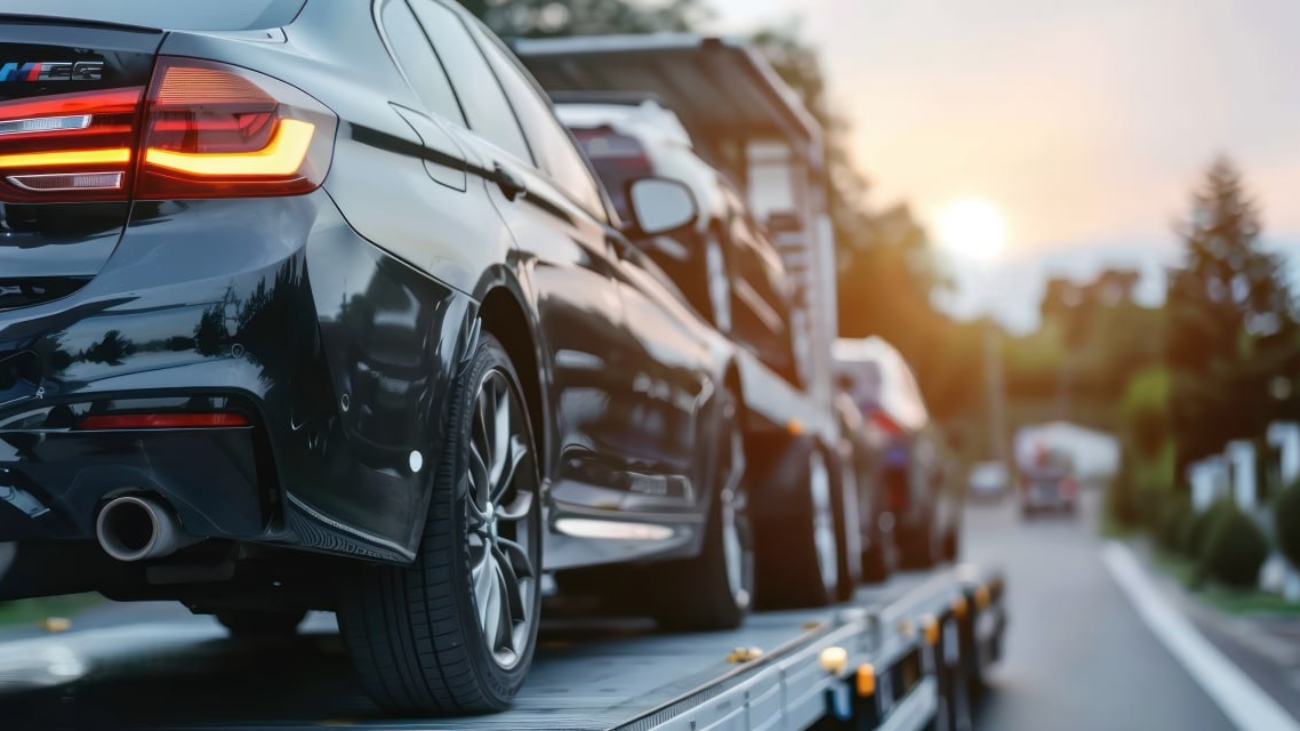
Whether you’re relocating across states, experiencing a vehicle breakdown far from home, or buying a car from hundreds of miles away, long-distance towing can be a lifesaver. But taking a DIY approach to vehicle transport is often risky, stressful, and time-consuming. This is where professional long-distance towing services shine.

This guide explores why hiring a professional towing company is a smart move, the benefits of these services, common situations that require long-distance towing, and how to choose the right provider. By the end, you’ll understand exactly why professional towing is worth every penny.

The Benefits of Hiring Professionals for Long-Distance Towing

When moving a vehicle over hundreds of miles, the advantages of using a professional service are clear:

Safety Comes First

Long-distance towing requires secure vehicle handling to prevent damage to your car and ensure road safety. Professionals are trained to use proper tie-down techniques and follow strict transport protocols for peace of mind.

Expertise You Can Rely On

From loading heavy vehicles to navigating unpredictable terrain, experienced technicians know how to handle the entire process efficiently and with care.

Equipped With the Right Tools

Professionals use advanced tools—such as flatbeds, wheel-lift systems, and heavy-duty trailers—tailored for different vehicle types. This eliminates the risk of relying on inadequate DIY gear.

When Do You Need a Long-Distance Tow?

Here are the most common scenarios that call for long-distance towing services:

Relocating to a New City or State

Driving multiple vehicles to your new home may not be practical or possible. Professional towing lets you focus on your move while ensuring safe vehicle delivery.

Breakdowns Far From Home

When your vehicle breaks down far from your mechanic, towing services can transport it back to your preferred shop—even across state lines.

Buying a Car From Another State

Online car purchases are increasingly common. A long-distance tow ensures your new vehicle arrives safely—without you needing to travel to pick it up.

Specialized Transport Needs

Vintage, luxury, and antique cars—or heavy machinery—often require special care and equipment. Professional services provide the attention these vehicles need.

What to Look for in a Long-Distance Towing Company

Not all towing companies are created equal. Choose wisely with these criteria:

  • Insurance & Licensing
    Confirm the provider is fully licensed and insured for long-distance vehicle transport. This safeguards your investment.

  • Experience & Reputation
    Look for companies with proven success in long-distance towing. Read customer reviews and ratings for insight into their professionalism and reliability.

  • Transparent Pricing
    Request a detailed quote upfront. Rates may include:

    • Base cost (e.g., per-mile fee)

    • Vehicle type surcharges (SUVs, trucks, etc.)

    • Fuel or distance surcharges

    • Extras like winch-out or roadside assistance

  • Customer Support
    Responsive, helpful customer service makes the experience smoother from start to finish.

  • Availability & Coverage
    Ensure the company services both your pickup and drop-off locations and can work within your time frame.

How Is the Cost of Long-Distance Towing Calculated?

Pricing varies based on several factors:

  • Distance: The longer the trip, the higher the cost.

  • Vehicle Type: Larger or specialty vehicles may require additional equipment or handling.

  • Extra Services: Winching, recovery, and on-road assistance may be billed separately.

To plan your budget accurately, request a custom quote based on your specific needs.

Why Professional Towing Is Worth It

With professional long-distance towing, you’re getting more than just a ride for your vehicle—you’re investing in safety, efficiency, and peace of mind. Whether it’s a high-value car, heavy equipment, or a breakdown far from home, experienced technicians ensure a secure and timely transport.

In Summary

From cross-country relocations to classic car deliveries, professional long-distance towing services take the stress out of vehicle transport. They bring the expertise, equipment, and reliability needed for a smooth experience—no matter how far your destination.

So whether you’re moving, buying a vehicle remotely, or recovering from a breakdown, don’t leave your transport to chance. A trusted towing company will handle the hard work while you focus on what matters most.

Sena SMART HJC 50B Bluetooth & Mesh Communication System Review

The SMART HJC 50B Bluetooth & Mesh communication system is a powerful device by Sena that seamlessly integrates with a select few HJC helmets. It supports both Bluetooth and Mesh intercom, and boasts a 13-hour battery life. Features like music sharing add value, although the device is limited to HJC helmets, which reduces flexibility. Still, for riders with a compatible helmet, it’s an excellent communicator.

Pros

  • Perfect integration with select HJC helmets

  • Voice operation enabled

  • Advanced noise control effectively eliminates background noise

  • Music sharing between SMART headset units

  • Long battery life

  • Mesh intercom connects up to 6 riders within 2 km

  • Intuitive app interface

  • Discreet, secure mounting

Cons

  • Buttons on both sides can be distracting

  • Mesh bridging with other brands must be initiated by them

  • Premium pricing, considering it’s limited to HJC helmets

  • Device settings need optimization before first use

Review Summary

  • Price: $349.99 USD

  • Compatible with select HJC helmets including carbon fiber models

  • Excellent build and seamless helmet integration

  • Very easy installation—took under 5 minutes

  • Good sound, but not as deep or rich as competing units like Cardo

  • Sound can be tinny at higher speeds

  • App simplifies setup and adjustments

  • Long battery life—13 hours continuous use

  • Buttons on both sides may distract riders

  • Limited to HJC helmets—less ideal for riders who rotate helmets

A Collaboration Between Two Giants

Sena and HJC—two of the most respected names in motorcycling—came together for this product. Sena’s communicator tech pairs impressively well with HJC’s helmet design. The result is a tightly integrated, high-quality experience.

For this review, the unit was tested with an HJC RPHA 71 Carbon helmet, where it really shined.

Tech Specs

  • Bluetooth 5.0

  • Mesh Intercom (up to 6 riders, 2km range)

  • Bluetooth Intercom (up to 4 riders)

  • Universal intercom compatibility

  • Music sharing

  • Audio multitasking

  • HD speakers

  • Advanced noise control

  • 13-hour battery life

  • FM radio

  • Voice assistant access

  • Companion app

  • Compatible with: RPHA 71, RPHA 91, RPHA 31, i71

Sena 21B vs 50B

Similarities:

  • Bluetooth 5.0+

  • FM radio

  • Voice prompts

  • App support

  • Simple setup

Differences:

  • 50B has dual control units, voice command, and Mesh

  • 21B lasts 22 hours; 50B lasts 13

  • 21B better for smaller groups; 50B ideal for larger groups or hands-free operation

Build Quality & Integration – 95%

The 50B is clearly a premium unit, with smart design choices and strong materials. Integration with HJC helmets is seamless—dedicated speaker pockets, cable routing, and microphone placement all make for a clean install with no mess.

Water resistance is acceptable, but an official IP rating (like Cardo’s IP67) would’ve been appreciated.

Sound Quality – 80%

Sound is crisp and clear for conversations, but lacks bass and richness compared to competitors. At higher speeds, audio can feel slightly tinny. Microphone performance is excellent, thanks to noise-cancellation—no wind or engine noise transmits during intercom use.

The unit benefits from in-app sound setting adjustments. Without proper configuration, multitasking features (like listening to music while in intercom mode) can underperform.

Ease of Use – 80%

After a short learning curve, operation becomes intuitive. The unit powers on/off quickly and doesn’t have a loud startup jingle. Pairing is simple, but requires using the dedicated SMART HJC app (not Sena’s generic one).

Voice commands work well but require clear speech, especially at speed. Accidental button presses on both sides of the helmet can be a distraction.

Mesh & Bluetooth Intercom

Mesh works well for seamless, group-based comms. Manufacturer data conflicts on whether it supports 6 or 24 users, but real-world testing confirms smooth operation for smaller groups.

Bluetooth intercom works as expected. Pairing with non-Sena or non-HJC devices (e.g., Cardo) is possible, though bridging between systems must be initiated on the other device.

Battery Life – 95%

The 50B lasts 13 hours per charge. Charging is convenient and doesn’t require removing the unit—just plug into the port located at the rear. Unlike some competitors, the unit doesn’t give a voice-based battery status on shutdown—you have to request it manually.

Value for Money – 80%

While not cheap, the SMART HJC 50B justifies its price with strong performance and outstanding helmet integration. The only real drawback is that it’s only compatible with a limited number of HJC helmets. Riders with multiple helmet brands might find this limiting.

Final Verdict

If you own a compatible HJC helmet and want a sleek, integrated, high-performing communicator, the SMART HJC 50B is one of the best options available. It’s not flawless—sound could be improved, and broader compatibility would help—but it’s solid, reliable, and built for real-world riding.

5 Insurance Tactics Motorcycle Riders Should Watch Out For

Insurance companies are all smiles when you’re signing up. But when you actually need them—especially after a motorcycle crash—that’s when the games begin.

If you ride, you already know you’re more vulnerable than the average driver. Unfortunately, some insurers use that against you. They delay, deflect, and lowball, hoping you’ll take what you can get and move on.

Here are five of the most common tactics insurance companies pull on motorcycle riders—and how to fight back.

1. They Try to Pin the Blame on You

Let’s be real—riders get stereotyped all the time. Too fast, too reckless, too aggressive. Insurance adjusters know this, and they’re not shy about leaning into those stereotypes if it saves them money.

Even if the other driver clearly messed up, they might claim you were speeding, weaving, or not wearing the “right” gear. Suddenly, it’s your fault—or at least partly your fault. The more blame they assign to you, the less they have to pay.

That’s why it helps to have someone who understands how motorcycle crashes really work. A motorcycle accident attorney can push back against bias, gather real evidence, and help ensure you’re treated fairly from the start.

2. They Stall Until You’re Desperate

Insurance companies know the clock is ticking for you. Medical bills add up. You might be missing work. So what do they do? Stall. They “lose” paperwork. Ask for more documentation. Promise a callback that never comes.

The longer they drag it out, the more likely you are to accept a lowball offer just to move on.

Tip: Keep a record of everything—who you spoke to, when, and what was said. If progress stalls, don’t wait. Push back.

3. They Offer a Fast Payout That Sounds Better Than It Is

You just had a crash. You’re sore, maybe injured, overwhelmed. Then the insurance company calls with an offer. It’s quick. It’s easy. No drama. Just sign.

Tempting? Sure. But that first offer is almost always low.

They’re betting you’ll take the money before realizing how much you’ll need later—for treatment, lost wages, or lingering injuries. Once you accept, it’s case closed. No second chances.

4. They Use Your Gear Choices Against You

This one’s a classic double-bind. If you weren’t wearing full gear, they’ll argue your injuries are partly your fault. If you were geared up and still got hurt, they might say your injuries must not be that bad.

They’ll spin it either way to reduce what they owe.

But remember—gear doesn’t change who caused the crash. Don’t let them twist that fact.

5. They Deny Claims Over Technicalities

Missed a deadline? Didn’t report the crash immediately? Skipped a follow-up visit?

Insurers love using these technicalities to deny claims. With motorcycle crashes, they often dig deeper—looking for policy gaps, fine print, or any reason to avoid paying out.

Tip: Know your policy before you ride. And if things get tangled in red tape, don’t try to handle it alone.

What You Can Do About It

As a rider, you already take on more risk than most people on the road. You shouldn’t have to accept being treated unfairly by your insurance company, too.

These tricks are real—but once you understand how they work, you can push back. Stay informed. Stand firm. And if you need support, reach out to someone who knows how to fight for your rights.

Sidi ARX Air Riding Shoes Review

Breakdown
With comfort at the forefront, Sidi’s ARX Air Riding Shoes are a great option for riders who are looking for a shoe that works both on and off the bike. While the shoe may lack armor inserts, D30 ankle protection, heel, and a rip-stop toe provides more protection than traditional streetwear. The shoes sport a timeless high-top design that’s sure to pair well with riding jeans, hoodies, and more.

Design

Build Quality

Size, Fit & Comfort

Protection

Value for Money

Pros
Timeless look that blends with most streetwear-inspired gear
Exceptional comfort both on and off the bike
Rip-stop toe and D30 ankle
High traction rubber sole keeps your feet firmly planted on the controls
Available in large sizes for riders with big feet

Cons
Reflective elements clash with the overall design
No protective inserts throughout the shoe
Only two color choices
Fraying stitch brings into question the overall quality of the shoe
The price point is high to comparable riding shoes

4.1

Review Summary

If you’re looking for the main takeaways from this review, here is my summary of the ARX Air Riding Shoes by Sidi:

The Sidi ARX Air Riding Shoes retail for $179.99 USD
They are available in two colorways

Black/White
Castian/Bronze

The ARX Air Riding Shoes have a near-perfect streetwear-inspired design, with the only flaw being the clashing reflective elements on the heel
The black fabric is extremely easy to keep clean, and the white rubber heel can be kept looking new with the use of a magic eraser
The shoe feels high-quality overall with the exception of the stitching on the shift gear protection
The stitching began to fray after one ride, but has not progressed much further over the course of two months
Sold in EU sizing, which may vary slightly from US sizes
Manufactured and stocked in large sizes such as US 14 and 15
Exceptional comfort both on and off the bike
Protection is minimal, but still better than wearing street shoes
D30 ankle protection and rip-stop material across the toes
The shoes have a high price point in comparison to comparable riding shoes, but the value can be justified by how comfortable they are

Walk & Ride in Comfort

It’s been a while since I’ve reviewed a pair of riding shoes. If you’ve followed my previous work, you’ll know I tend to stray away from boots and opt for more low-profile, casual riding shoes. I’m not huge on boots, and I’m afraid that bias will impact the review.

Helmet House had expressed a lot of interest in working together on some gear, and I figured, what the hell! My current riding shoes are looking a little worse for wear, and the ARX Air Riding shoes looked right up my alley.

Slim, sleek, discrete, and most importantly, comfortable.

Yep, these shoes were thought to have it all! I put them to the test and was pleasantly surprised by how they performed. They ticked most of my boxes, and I think they will tick most of yours as well.

Skate Shoes or Riding Shoes?

I’m reviewing more streetwear-inspired gear, who would’ve thought?

The Sidi ARX Air Riding Shoes have a few obvious design features that differentiate them from traditional streetwear, but apart from that, they fly under the radar pretty well. One of the most obvious features is the outer mesh along the middle and back of the shoe.

I don’t know about you, but I’ve never seen a pair of Nikes with mesh along the body. You’ll be pleased to know, however, that I’m grateful for that mesh. It gives the shoes plenty of ventilation in hot riding conditions, something you’ll appreciate as well.

What’s more, the mesh isn’t even noticeable in my riding jeans. The leg is long enough to cover that part of the shoe, exposing only the toe and part of the laces.

Speaking of the toe, the shift guard on the big toe is very discreet, and smaller than I’ve seen on other riding shoes. From a design aspect, I like that, but it makes me question the effectiveness of it.

In case you couldn’t tell, I reviewed the Black/White color combination. The white rubber sole contrasts nicely against the black fabric, alongside the white laces. Black laces were included in the box, but I think we can all agree that white laces look better.

The black ARX shoes are 100x easier to keep clean than the white Spidi XPD Moto-1 shoes I reviewed in 2023 (who would’ve thought?). At the time, I was stoked to have found a white pair of riding shoes, but I quickly realized they’re so hard to come by – they get destroyed by the shifter.

Overall, I love the design of the shoes. With what’s visible under my riding jeans, they remind me of a pair of black Converse. The only thing I would change is the reflecting details on the heel. I’d love to see Sidi incorporate reflective details in a more tasteful, design-oriented way.

If short boots are your style, you’ll want to check out our Best Short Boots list for 2025.

Design: 90%
Build Quality

At first glance, the shoes looked and felt high-quality. Throughout my review, that almost remained entirely true, with the exception of one minor detail with the potential to turn major. Let me explain.

The toe of the shoe is made out of a rip-stop material. This was a very smart choice of material as the rip-stop will encourage your foot to slide across the pavement to prevent your toes from catching while skipping across the asphalt. Not a pleasant thought, but the reality of an accident.

The sole of the shoe is firm and durable. I’m confident that the Vibram Rubber Sole will be able to stand up to any terrain. As for time on the bike, the sole has large grooves in it to maximize grip, ensuring your feet stay firmly planted on your pegs and controls.

Moving up the shoe is the upper canvas and aforementioned mesh material. In the hand, it feels thick, impact absorbing, and comfortable. Everything about this shoe is screaming high quality, except for one thing – the stitching.

On the shift gear protection, the stitching began to fray after my first ride. Funnily enough, it began to fray fairly high up on the foot in areas that are unlikely to be touched by the shifter. Aside from a few stray shifts, I feel confident enough to say that area of the shoe has not seen much action.

Regardless, the stitch has begun to fray. The good news? It hasn’t gotten much worse over the last few weeks than when it originally started. Like I mentioned, this is a minor issue with the potential to become a major one.

If the stitching is fraying from a bit of gear shifting, how will it hold up in a slide?

Build Quality: 75%
Superior Fit & Comfort

Some things that really stuck out to me with the Sidi ARX Air Riding Shoes are in regard to the sizing. First off, you’ll need to convert your US foot size to match the EU sizing. This is easy enough to do with a simple Google search.

Unfortunately, by following the EU sizing, the shoe isn’t made in my exact size. Typically, I wear a size 9. With the ARX’s, I had the choice of either an 8.5 or 9.5, but not a 9. I opted for the latter and was pleasantly surprised by how well they fit. Yes, a tad bit big, but still snug and safe to ride in.

On top of that, take a look at the overall range of sizes, particularly the larger ones. I challenge you to find me another riding shoe that’s not only made, but stocked, in a US size 14 and 15. I’ll wait.

Size options are abundant with the ARX Air Riding Shoes; that much is clear. Aside from that, the fit is excellent. On first use, the fit is fairly snug, with the high-top design and protection working against you. Luckily, Sidi included a pull tab on the back that helped motivate my foot into the shoe.

After my testing period, I’m happy to say that the shoes still fit snug. Typically, I’d like my shoes to loosen up over time, or break in, but with riding gear, I expect the opposite. I don’t want my armor and protection to wear through normal use. That’s not a good sign of strong reinforcement.

As far as comfort goes, these shoes are a dream to wear. Whether I’m walking or riding, I didn’t have any pain in my feet, found the soles to be extremely cushy and supportive, and enjoyed my time wearing them.

I was afraid the larger size would be an issue, but it wasn’t at all. I don’t have any complaints when it comes to the size, fit, and comfort of the ARX Air Riding Shoes.

If comfort is what you’re after, you’ll want to check out our review of the Cortech “The Slayer” Canvas Riding Shoes.

Size, Fit & Comfort: 100%
Good Protection For What They Are

Just by looking at the Sidi ARX Air Riding Shoes, I knew what I was getting into in terms of protection. They don’t make use of metal inserts in high-impact areas, nor do they incorporate highly-abrasion-resistant materials.

Yet, they are still certified to EN 13634:2017. They have low-profile D30 material around the ankle for impact absorption and energy dissipation. Furthermore, the heel and toe are reinforced for additional protection.

The ARX shoes weren’t designed to be the most protective short boots on the market, and I think it’s fair to say anyone considering buying them is not expecting them to be. With that being said, I think that Sidi could’ve incorporated a few more protective features while still maintaining a low profile. For example, an insert in the ankle wouldn’t add bulk to the shoe, but it can make a huge difference in a slide.

If you’re looking for something with a bit more protection, check out our Best Cruiser Motorcycle Boots.

Protection: 75%
Value for Money

Coming in at a mid-range price, the Sidi ARX Air Riding Shoes have a hard time presenting their value for money.

For example, the TCX Street 3 Air Shoes come in at the same price point, look very similar, yet have a heap more features throughout the shoe. Some of the most notable features include an Ortholite footbed and D30 inserts on the malleolus.

Looking at cheaper shoes, the aforementioned Cortech “The Slayer” riding shoes have comparable features to the ARX Air’s, but cost over $40 less.

Now that’s not to say that the Sidi ARX Air Riding Shoes are overpriced. I think that they are an extremely comfortable shoe that a lot of riders will find value in, but unfortunately, that isn’t something I can provide a direct comparison as I haven’t worn the previously mentioned shoes above.

Value for Money: 70%
Final Verdict

Riding in the ARX Air Riding Shoes was a pleasure, and I’m grateful for the opportunity to review them. The shoes have a great design element to them, which will appeal to riders looking for a discreet, streetwear-inspired shoe.

While they aren’t the cheapest pair of riding shoes on the market, or the most protective, it is my belief that riders will find value in the ARX shoes through the comfort they provide both on and off the bike.

If staying calm, cool, and comfortable is most important to you, the Sidi ARX Air Riding Shoes will be a great fit for your closet.

Scoring

Design: 90%
Build Quality: 75%
Size, Fit & Comfort: 100%
Protection: 75%
Value for Money: 70%

Pros

Timeless look that blends with most streetwear-inspired gear
Exceptional comfort both on and off the bike
Rip-stop toe and D30 ankle
High traction rubber sole keeps your feet firmly planted on the controls
Available in large sizes for riders with big feet

Cons

Reflective elements clash with the overall design
No protective inserts throughout the shoe
Only two color choices
Fraying stitch brings into question the overall quality of the shoe
The price point is high to comparable riding shoes

Specifications

Manufacturer: Sidi
Price: $179.99
Colors: Black/White, Castian/Bronze
Sizes Available: 7, 8, 8.5, 9.5, 10, 11, 11.5, 12.5, 13.4, 14, 15
Review Period: April – May 2025

Where to Buy

Helmet House
RevZilla
Amazon

Photo Gallery

The post Sidi ARX Air Riding Shoes Review appeared first on webBikeWorld.

Last updated:

Review Summary

If you’re looking for the main takeaways from this review, here is my summary of the ARX Air Riding Shoes by Sidi:

The Sidi ARX Air Riding Shoes retail for $179.99 USD
They are available in two colorways
Black/White
Castian/Bronze

The ARX Air Riding Shoes have a near-perfect streetwear-inspired design, with the only flaw being the clashing reflective elements on the heel
The black fabric is extremely easy to keep clean, and the white rubber heel can be kept looking new with the use of a magic eraser
The shoe feels high-quality overall with the exception of the stitching on the shift gear protection
The stitching began to fray after one ride, but has not progressed much further over the course of two months
Sold in EU sizing, which may vary slightly from US sizes
Manufactured and stocked in large sizes such as US 14 and 15
Exceptional comfort both on and off the bike
Protection is minimal, but still better than wearing street shoes
D30 ankle protection and rip-stop material across the toes
The shoes have a high price point in comparison to comparable riding shoes, but the value can be justified by how comfortable they are

Walk & Ride in Comfort

It’s been a while since I’ve reviewed a pair of riding shoes. If you’ve followed my previous work, you’ll know I tend to stray away from boots and opt for more low-profile, casual riding shoes. I’m not huge on boots, and I’m afraid that bias will impact the review.

Helmet House had expressed a lot of interest in working together on some gear, and I figured, what the hell! My current riding shoes are looking a little worse for wear, and the ARX Air Riding shoes looked right up my alley.

Slim, sleek, discrete, and most importantly, comfortable.

Yep, these shoes were thought to have it all! I put them to the test and was pleasantly surprised by how they performed. They ticked most of my boxes, and I think they will tick most of yours as well.

Skate Shoes or Riding Shoes?

I’m reviewing more streetwear-inspired gear, who would’ve thought?

The Sidi ARX Air Riding Shoes have a few obvious design features that differentiate them from traditional streetwear, but apart from that, they fly under the radar pretty well. One of the most obvious features is the outer mesh along the middle and back of the shoe.

I don’t know about you, but I’ve never seen a pair of Nikes with mesh along the body. You’ll be pleased to know, however, that I’m grateful for that mesh. It gives the shoes plenty of ventilation in hot riding conditions, something you’ll appreciate as well.

What’s more, the mesh isn’t even noticeable in my riding jeans. The leg is long enough to cover that part of the shoe, exposing only the toe and part of the laces.

Speaking of the toe, the shift guard on the big toe is very discreet, and smaller than I’ve seen on other riding shoes. From a design aspect, I like that, but it makes me question the effectiveness of it.

In case you couldn’t tell, I reviewed the Black/White color combination. The white rubber sole contrasts nicely against the black fabric, alongside the white laces. Black laces were included in the box, but I think we can all agree that white laces look better.

The black ARX shoes are 100x easier to keep clean than the white Spidi XPD Moto-1 shoes I reviewed in 2023 (who would’ve thought?). At the time, I was stoked to have found a white pair of riding shoes, but I quickly realized they’re so hard to come by – they get destroyed by the shifter.

Overall, I love the design of the shoes. With what’s visible under my riding jeans, they remind me of a pair of black Converse. The only thing I would change is the reflecting details on the heel. I’d love to see Sidi incorporate reflective details in a more tasteful, design-oriented way.

If short boots are your style, you’ll want to check out our Best Short Boots list for 2025.

Design: 90%
Build Quality

At first glance, the shoes looked and felt high-quality. Throughout my review, that almost remained entirely true, with the exception of one minor detail with the potential to turn major. Let me explain.

The toe of the shoe is made out of a rip-stop material. This was a very smart choice of material as the rip-stop will encourage your foot to slide across the pavement to prevent your toes from catching while skipping across the asphalt. Not a pleasant thought, but the reality of an accident.

The sole of the shoe is firm and durable. I’m confident that the Vibram Rubber Sole will be able to stand up to any terrain. As for time on the bike, the sole has large grooves in it to maximize grip, ensuring your feet stay firmly planted on your pegs and controls.

Moving up the shoe is the upper canvas and aforementioned mesh material. In the hand, it feels thick, impact absorbing, and comfortable. Everything about this shoe is screaming high quality, except for one thing – the stitching.

On the shift gear protection, the stitching began to fray after my first ride. Funnily enough, it began to fray fairly high up on the foot in areas that are unlikely to be touched by the shifter. Aside from a few stray shifts, I feel confident enough to say that area of the shoe has not seen much action.

Regardless, the stitch has begun to fray. The good news? It hasn’t gotten much worse over the last few weeks than when it originally started. Like I mentioned, this is a minor issue with the potential to become a major one.

If the stitching is fraying from a bit of gear shifting, how will it hold up in a slide?

Build Quality: 75%
Superior Fit & Comfort

Some things that really stuck out to me with the Sidi ARX Air Riding Shoes are in regard to the sizing. First off, you’ll need to convert your US foot size to match the EU sizing. This is easy enough to do with a simple Google search.

Unfortunately, by following the EU sizing, the shoe isn’t made in my exact size. Typically, I wear a size 9. With the ARX’s, I had the choice of either an 8.5 or 9.5, but not a 9. I opted for the latter and was pleasantly surprised by how well they fit. Yes, a tad bit big, but still snug and safe to ride in.

On top of that, take a look at the overall range of sizes, particularly the larger ones. I challenge you to find me another riding shoe that’s not only made, but stocked, in a US size 14 and 15. I’ll wait.

Size options are abundant with the ARX Air Riding Shoes; that much is clear. Aside from that, the fit is excellent. On first use, the fit is fairly snug, with the high-top design and protection working against you. Luckily, Sidi included a pull tab on the back that helped motivate my foot into the shoe.

After my testing period, I’m happy to say that the shoes still fit snug. Typically, I’d like my shoes to loosen up over time, or break in, but with riding gear, I expect the opposite. I don’t want my armor and protection to wear through normal use. That’s not a good sign of strong reinforcement.

As far as comfort goes, these shoes are a dream to wear. Whether I’m walking or riding, I didn’t have any pain in my feet, found the soles to be extremely cushy and supportive, and enjoyed my time wearing them.

I was afraid the larger size would be an issue, but it wasn’t at all. I don’t have any complaints when it comes to the size, fit, and comfort of the ARX Air Riding Shoes.

If comfort is what you’re after, you’ll want to check out our review of the Cortech “The Slayer” Canvas Riding Shoes.

See also

Size, Fit & Comfort: 100%
Good Protection For What They Are

Just by looking at the Sidi ARX Air Riding Shoes, I knew what I was getting into in terms of protection. They don’t make use of metal inserts in high-impact areas, nor do they incorporate highly-abrasion-resistant materials.

Yet, they are still certified to EN 13634:2017. They have low-profile D30 material around the ankle for impact absorption and energy dissipation. Furthermore, the heel and toe are reinforced for additional protection.

The ARX shoes weren’t designed to be the most protective short boots on the market, and I think it’s fair to say anyone considering buying them is not expecting them to be. With that being said, I think that Sidi could’ve incorporated a few more protective features while still maintaining a low profile. For example, an insert in the ankle wouldn’t add bulk to the shoe, but it can make a huge difference in a slide.

If you’re looking for something with a bit more protection, check out our Best Cruiser Motorcycle Boots.

Protection: 75%
Value for Money

Coming in at a mid-range price, the Sidi ARX Air Riding Shoes have a hard time presenting their value for money.

For example, the TCX Street 3 Air Shoes come in at the same price point, look very similar, yet have a heap more features throughout the shoe. Some of the most notable features include an Ortholite footbed and D30 inserts on the malleolus.

Looking at cheaper shoes, the aforementioned Cortech “The Slayer” riding shoes have comparable features to the ARX Air’s, but cost over $40 less.

Now that’s not to say that the Sidi ARX Air Riding Shoes are overpriced. I think that they are an extremely comfortable shoe that a lot of riders will find value in, but unfortunately, that isn’t something I can provide a direct comparison as I haven’t worn the previously mentioned shoes above.

Value for Money: 70%
Final Verdict

Riding in the ARX Air Riding Shoes was a pleasure, and I’m grateful for the opportunity to review them. The shoes have a great design element to them, which will appeal to riders looking for a discreet, streetwear-inspired shoe.

While they aren’t the cheapest pair of riding shoes on the market, or the most protective, it is my belief that riders will find value in the ARX shoes through the comfort they provide both on and off the bike.

If staying calm, cool, and comfortable is most important to you, the Sidi ARX Air Riding Shoes will be a great fit for your closet.

Scoring

Design: 90%
Build Quality: 75%
Size, Fit & Comfort: 100%
Protection: 75%
Value for Money: 70%

Electric Himalayans, Hydrogen Kawasakis and an $80,000 MV – Oh My!

This week, we’ve got a plethora of brands slowly opening up their offerings in anticipation of the fall season:

  • Royal Enfield has released coverage of their electric Himalayan in North India via social media, proving the machine is on the way.

  • Kawasaki’s hydrogen motorcycle is back as “Mission H24,” making another appearance in Europe.

  • KTM’s new models are rolling out globally, with the brand working to stay transparent about model debut timelines.

  • MV Agusta reclaims its space in the market as a privately-owned marque with the release of the ultra-premium 1000 Ago.

Let’s dive into the highlights.

Upcoming Models: Royal Enfield’s Electric Himalayan

Footage from North India Confirms the Incoming EV

Royal Enfield is ramping up efforts with its electric Himalayan, known as the Him-E. Recent footage shows the machine in testing through the mountainous Ladakh region, alongside the company’s design chief and CEO—suggesting the project is nearing a significant milestone.

Details so far:

  • Larger 21-inch front wheel and aggressive knobby tires

  • One-piece seat, no visible fuel tank—typical for an EV platform

  • Twin battery packs housed in a central trellis-style frame

  • External and internal cooling fins for thermal management

Expect the internal combustion twin-cylinder Himalayan to launch for the 2026 model year, with the electric variant likely seeing updates and possibly a release between late this year and next.

The Hydrogen Hype: Kawasaki’s “Mission H24” Returns

Hydrogen-Powered Superbike Demonstrated in Europe

Kawasaki continues to pursue alternative energy with its hydrogen combustion motorcycle, a product of the HySE (Hydrogen Small mobility & Engine technology Association) partnership. The machine, based on a supercharged Ninja platform, uses hydrogen stored in rear-mounted tanks.

Key points:

  • Virtually zero emissions, only water vapor

  • Developed for high-performance applications where battery range is limited

  • Recent demonstration lap took place at a European endurance event

This approach offers a promising alternative to battery-electric motorcycles, especially where long-range and quick refueling are crucial.

KTM: 2025 Models Rolling Out Now

Models Include: 390 Enduro R, 390 Adventure R, 390 SMC R

KTM is launching its updated lineup with clear scheduling by region. Here’s a breakdown of when to expect each model:

  • KTM 390 SMC R:

    • May: North America, Asia

    • June–August: Europe, UK, South Africa, Oceania

  • KTM 390 Enduro R:

    • May: North America, Asia

    • June–August: Europe, UK, South Africa, Oceania

  • KTM 390 Adventure R:

    • May–June: North America, Asia

    • July–August: Europe, UK, South Africa, Oceania

  • KTM 125 SMC R & Enduro R:

    • July: Europe, UK, Asia

  • KTM 390 Adventure X:

    • May–August rollout across all major global regions

Despite past financial bumps, KTM appears committed to delivering these bikes with transparency and global coordination.

MV Agusta Rises Again with the SuperVeloce 1000 Ago

Limited to 83 Units Globally – Honoring Giacomo Agostini

To mark its 80th anniversary, MV Agusta unveils the Superveloce 1000 Ago—a jaw-dropping tribute to legendary racer Giacomo Agostini. The bike showcases:

  • Full carbon fiber bodywork in Fire Red Matt and Magnum Silver Matt

  • Four-cylinder inline engine with race-tuned electronics

  • Öhlins electronic suspension and Brembo brakes

  • 5-year factory warranty

  • Optional racing suit and helmet inspired by Ago’s gear

Each bike is signed by Agostini himself, with the $80,098 MSRP reflecting both exclusivity and heritage.

Final Thoughts

From Royal Enfield’s rugged EV testing to Kawasaki’s hydrogen combustion experiments, and from KTM’s steady global rollout to MV Agusta’s elite collectible machine, this week’s news confirms one thing: the motorcycle world is evolving fast—and diversely.

Whether you’re a trail-loving adventurer, an eco-minded urban commuter, or a high-end collector, the horizon is buzzing with potential.

Media sourced from Cycle World, Kawasaki, KTM, and MV Agusta.

Motorcycle Roadside Assistance: A Guide for Everyday Riders

magine being miles away from home on your motorcycle, with a flat tire or a dead battery leaving you stranded. For riders, such situations are more than just inconvenient; they can be downright stressful and potentially unsafe. This is why having a reliable motorcycle roadside assistance service is essential for peace of mind and safety on the road.

Whether you’re a daily commuter, an avid long-distance rider, or someone who simply enjoys weekend rides, understanding the value of roadside assistance can make all the difference. Here, we’ll cover common roadside issues, explain the services offered, guide you on choosing the right plan, and highlight the benefits of staying prepared.

Common Motorcycle Roadside Assistance Needs for Riders

Motorcycles are incredible vehicles, but they’re also susceptible to unique challenges when out on the road. Several common issues can leave you stuck in an unexpected roadside emergency:

  • Flat Tires: Punctures or tire damage can bring your ride to a halt, especially if you don’t have the tools or expertise to handle a repair on the spot. Unlike cars, motorcycles do not carry spare tires, making roadside assistance essential.

  • Dead Batteries: Motorcycle batteries are smaller than car batteries and can drain more quickly, especially if you’ve accidentally left the lights on or your battery is nearing the end of its life.

  • Fuel Shortages: Running out of fuel seems like a simple problem, but it can feel daunting if you’re in an unfamiliar area or far from the nearest gas station.

  • Mechanical Failures: From engine trouble to issues with chains and belts, mechanical failures can leave you stranded without options. A quick towing service might be necessary to get your bike to the nearest repair shop.

  • Lockouts or Lost Keys: Yes, motorcycle lockouts happen too! Riders often find themselves unable to start their bike due to misplaced or damaged keys.

These scenarios highlight the crucial need for a dependable motorcycle roadside assistance plan.

Services Covered in Motorcycle Roadside Assistance

Most motorcycle roadside assistance services provide a comprehensive range of solutions tailored to the unique needs of motorcycle riders:

  • Towing Services: Motorbike towing is a key feature of any roadside assistance plan. Should your bike break down, a professional towing service can transport it safely to a garage or your preferred destination.

  • Fuel Delivery: Ran out of gas? A roadside assistance provider can deliver fuel directly to your location, so you can get moving again without stress.

  • Battery Boost or Replacement: Dead battery? Many plans include jump-start services or even emergency battery replacement to get you back on the road.

  • Flat Tire Assistance: Roadside services often include fixing a flat tire or transporting your bike to a nearby repair shop if necessary.

  • Lockout Support: If you’ve lost your keys or locked them in a storage compartment, assistance teams can help you gain access.

  • Other Emergency Assistance: Additional coverage may include services like extracting your bike from difficult terrains, emergency repairs, or providing directions to nearby facilities in case of an emergency.

How to Choose the Right Provider for Motorcycle Roadside Assistance

With many options available, it’s important to carefully evaluate providers before selecting a plan. Consider these key factors:

  • 24/7 Availability: Roadside emergencies don’t keep a schedule, so choose a plan that operates around the clock.

  • Specialized Expertise: Ensure the provider has technicians trained in motorcycle-specific mechanics and towing.

  • Coverage Area: Confirm the service covers the areas you ride in, whether locally or across multiple states.

  • Pricing and Flexibility: Compare plans to find one that fits your budget. Some offer pay-per-use while others provide annual subscriptions.

  • Response Time: Fast dispatch and service times can make a huge difference when stranded.

Why Motorcycle Roadside Assistance is Worth It

Investing in a motorcycle roadside assistance plan brings multiple benefits:

  • Cost Savings: Avoid expensive out-of-pocket costs for towing, repairs, or replacements.

  • Safety and Peace of Mind: Knowing help is a phone call away reduces stress, especially in remote locations.

  • Convenience: Skip the hassle of trying to fix complex issues on your own with professional support.

  • Extended Trip Confidence: Long-distance riders can enjoy the journey without constant worry.

  • Professional Service: Trained technicians handle your motorcycle with the care it deserves.

Frequent Questions About Motorcycle Roadside Assistance

  • What does motorcycle roadside assistance cover?
    Typically towing, fuel delivery, battery jump-starts, flat tire support, and lockout assistance.

  • How quickly can I expect help to arrive?
    Response times vary, but many providers aim for dispatch within 30 to 60 minutes.

  • Is my motorcycle eligible for roadside assistance?
    Most standard motorcycles are covered, but check with your provider for restrictions.

  • What should I do while waiting for assistance?
    Ensure your safety first—move to a safe spot if possible, turn on hazard lights, and stay visible.

  • Can roadside assistance fix flat tires?
    Some providers offer on-site repairs; others may tow your motorcycle to a shop.

  • Are there restrictions on the type of motorcycles covered?
    Coverage can vary; confirm eligibility for custom or specialized bikes.

  • How is motorcycle roadside assistance different from car roadside assistance?
    Motorcycle plans are tailored with specialized towing and repair services suited for two-wheeled vehicles.

Stay Prepared for the Road Ahead

Motorcycling is all about freedom and adventure, but unexpected breakdowns can take the joy out of any ride. A motorcycle roadside assistance plan ensures you’re protected wherever the road takes you. From towing to tire repairs, it combines convenience, safety, and cost savings.

Don’t wait until you’re stranded to take action. Invest in a reliable roadside assistance plan that provides 24/7 support and professional help whenever you need it.

Master the Art of Metered Parking Downtown

Navigating downtown can feel like a chore—not to mention the added stress of finding metered parking, understanding payment methods, and avoiding tickets. Whether you’re heading to a game, grabbing dinner, or commuting to work, metered parking is often a necessary part of city life. But don’t worry! This guide breaks it all down for you, offering practical tips to make your trip stress-free.

From finding spots quickly to understanding local regulations, we’ve got everything you need to know so you can focus on enjoying your time—not stressing over parking violations.

Understanding Parking Meters

Metered parking is common in busy areas with high demand. Here’s how they work and what you should know about payment and enforcement:

Payment Options

  • Coins: Classic yet reliable. Always good to have some quarters on hand for older meters.

  • Cards: Most meters now accept debit and credit cards—just follow the prompts on the screen.

  • Parking Apps: Many areas support apps like ParkMobile, offering a seamless, contactless way to pay and monitor your time.

Operating Hours and Rates

Meters typically operate from 7 AM to 11 PM, Monday through Saturday, but this may vary by zone. Rate updates happen occasionally, so always check the meter for current pricing. On special event days or during street cleaning, stricter enforcement may apply.

Watch the Signs

Don’t assume! Read all posted signage around a parking meter. Time limits, rush hour rules, and temporary restrictions are all important to avoid violations—or worse, a towed vehicle.

Tips for Finding Parking Spots

Finding parking downtown during busy times can be frustrating. Use these strategies to increase your chances:

  • Use Parking Apps: Apps like ParkMobile or SpotAngels can help you find, reserve, and even extend your parking remotely.

  • Know Peak Hours: Avoid high-traffic times like weekday lunch hours or before/after large events.

  • Check Road Conditions: Construction or closures can limit available spaces—check local traffic info ahead of time.

Paying for Parking: Step-by-Step

Confused by parking meters? Here’s a quick guide:

Coins or Card Payments

  1. Insert coins or swipe your card at the meter.

  2. Follow the on-screen instructions to set your parking duration.

  3. Confirm your payment and print your receipt if needed.

Using a Parking App

  1. Open the app and sign in.

  2. Enter the meter’s zone number, usually displayed on signage.

  3. Set your desired time and pay digitally.

  4. Get notified when your time is about to expire and extend from your phone if needed.

This method eliminates the hassle of running back to feed the meter.

Avoiding Parking Tickets

A parking ticket can ruin your day. Here’s how to avoid one:

  • Track Your Time: Set a phone alarm or rely on app notifications to avoid overstaying.

  • Read Every Sign: Some restrictions aren’t just about time—they may prohibit parking during events or street cleaning.

  • Stay Clear of Prohibited Zones: Double-check curb markings and special-use signs.

What If You Get a Ticket?

Mistakes happen. If you receive a ticket, pay or dispute it as soon as possible to avoid late fees. Most cities allow online payment through municipal websites.

Free Parking Options

You might not always have to pay for parking if you plan ahead.

  • Free Meter Days: Public holidays and special local events may come with free parking. Check official sources for updates.

  • Residential Areas: Look for nearby streets without permit requirements. Just be sure to verify any posted signage.

  • Customer Parking: Some businesses offer free parking while you’re on-site—always ask!

  • Alternative Transport: Consider carpooling, biking, or using a ride-share service if parking seems like too much of a hassle.

If Your Car Gets Towed

It’s frustrating, but manageable. Here’s what to do:

  1. Locate Your Vehicle: Use the city’s official online vehicle locator tool to find where your car is being held.

  2. Know the Fees: Expect a base tow fee and additional daily storage charges. Picking up your car quickly helps minimize costs.

  3. Bring Documents: You’ll need valid ID and proof of ownership (like registration or title).

  4. Have the Right Payment: Some impounds may only take cash. Verify ahead so you’re not caught off guard.

Acting quickly can save you time and additional expense.

Key Takeaways

Metered parking doesn’t have to be overwhelming. By understanding how the system works, using parking apps, and reading signage closely, you can avoid violations and enjoy your day without interrupt

Your Complete Guide to Choosing the Right Towing Equipment

Personal towing is growing in popularity across Indiana. Whether you’re hauling a boat to Lake Monroe, towing a pop-up camper to Brown County State Park, or moving equipment for a home project, setting up a safe and legal towing system is more important than ever.

With the right equipment and knowledge, Indiana’s roads—and weekend adventures—are wide open. This guide will walk you through how to choose the right towing equipment, follow Indiana-specific regulations, and stay safe behind the wheel.

Understanding the Basics of Towing Equipment

Before you shop for towing gear, it’s helpful to understand a few key terms:

  • Tongue Weight (TW): The downward force your trailer applies to the hitch.

  • Towing Capacity: The maximum weight your vehicle can tow safely, as specified by the manufacturer.

  • Gross Vehicle Weight Rating (GVWR): The total weight of your vehicle when fully loaded with cargo and passengers.

  • Trailer Towing: The act of pulling a trailer with a vehicle using a hitch.

  • Tow Hitch: A device installed on your vehicle that connects to and supports the trailer.

These terms form the foundation for selecting the proper gear for your towing needs.

Common Towing Equipment You May Need

A well-prepared towing setup typically includes the following components:

1. Ball Mounts

These connect your tow hitch to the trailer. Adjustable models make it easier to tow different types of trailers with varying tongue heights.

2. Tow Hitches

A strong, properly installed hitch is essential. For heavier loads, consider a weight-distributing hitch, which helps balance the load between the vehicle and trailer.

3. Safety Chains

Legally required in Indiana, safety chains act as a backup if the hitch connection fails. Always cross the chains under the hitch and attach them securely.

4. Lighting and Electrical Systems

Indiana law mandates functional lights on trailers. Brake lights, turn signals, and running lights must all work correctly. Reliable wiring harnesses and controllers from brands like Tekonsha and Hopkins are recommended.

How to Match Equipment to Your Vehicle and Trailer

Here’s how to ensure your gear matches your setup:

  • Verify Your Vehicle’s Towing Capacity: This can be found in the owner’s manual or manufacturer’s website.

  • Know Your Trailer’s GVWR: This helps ensure you stay within the vehicle’s limits.

  • Use the Correct Ball Size: Common sizes include 1-7/8″, 2″, and 2-5/16″. Choose the right match for your trailer coupler.

  • Adjust for Your Activity: Different types of towing (e.g., boat trailers vs. cargo haulers) may require different hitch strengths and accessories.

Example: If you’re towing a jet ski or fishing boat, your equipment must be rated above the total weight of the loaded trailer and include functioning lighting, brake control, and safety chains.


Towing Laws and Requirements in Indiana

Indiana has specific towing laws designed to keep drivers and roadways safe. Here are some important regulations to follow:

  • Braking Systems: Required for trailers weighing over 3,000 lbs.

  • Safety Chains: Mandatory on all trailers.

  • Lighting Requirements: Trailers must have working taillights, brake lights, and turn signals.

  • Trailer Width: Cannot exceed 8 feet 6 inches without a special permit.

  • Speed Limits: There are no specific lower limits for vehicles towing trailers in Indiana—follow posted limits and adjust for safety.

For the most current information, refer to the Indiana Bureau of Motor Vehicles (BMV).

Towing Safety Tips

Personal towing can be simple and safe if you’re prepared. Follow these best practices:

  • Practice First: Drive with your trailer in an open area to get comfortable turning, stopping, and backing up.

  • Even Load Distribution: Prevent trailer sway by loading cargo evenly.

  • Check Equipment Before Every Trip: Inspect your hitch, ball mount, chains, and lighting for signs of wear or malfunction.

  • Drive Cautiously: Allow extra braking distance and take turns slowly.

  • Stay Weather-Aware: Wet or windy conditions can increase the risk of trailer sway.

Routine Maintenance for Towing Gear

Towing equipment needs regular attention to stay safe and functional:

  • Inspect Components Frequently: Look for corrosion, cracks, or loose bolts on your hitch and trailer.

  • Test Your Lights: Ensure all trailer lights are working properly before every trip.

  • Grease Moving Parts: Lubricate the hitch ball and coupler to reduce wear and improve operation.

  • Replace Weak Chains: Don’t take chances with rusty or undersized safety chains.

When to Call a Professional Towing Service

Even with the best planning, there are situations where professional assistance is the safest option. Call a certified towing provider if:

  • You experience a mechanical breakdown.

  • Your trailer is too large or heavy for your current vehicle.

  • You’re unsure how to safely hook up or operate your trailer setup.

Professionals are trained to manage towing scenarios efficiently and safely, especially in emergencies or when dealing with oversized equipment.

Final Thoughts

Whether you’re hauling gear for fun or necessity, towing opens up new possibilities for travel and adventure in Indiana. Choosing the right equipment, following state laws, and staying safety-minded will ensure a smooth ride every time.

When in doubt, reach out to a qualified towing expert who can guide you through setup, safety, and gear selection—so you can hit the road with total confidence.